The Essence of Wing Surfing: A Comprehensive Overview

Intro
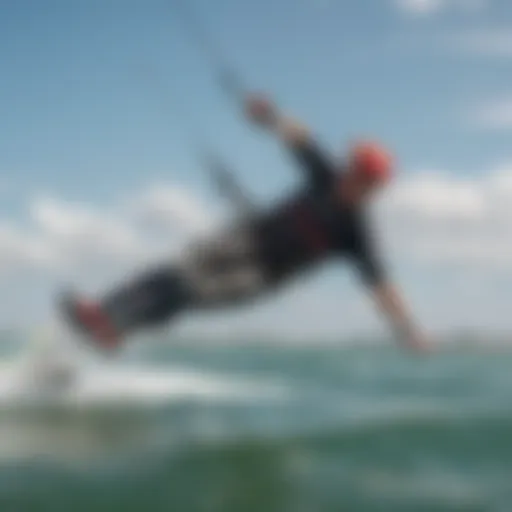
Wing surfing, a water sport that combines elements of surfing, kiteboarding, and windsurfing, has swiftly captured the imaginations of water sports enthusiasts around the globe. What began as a modest fringe activity has burgeoned into a widely celebrated pursuit, attracting everyone from eager novices to seasoned professionals seeking to master the elements. This sport stands out not just for its thrilling maneuvers and engaging techniques, but also for the sense of freedom it encapsulates, allowing surfers to harness the wind and glide over water with ease.
As we unpack this exhilarating sport, we'll explore key techniques essential for both beginners and advanced riders, discuss the latest innovations in gear, and highlight the best locations where one can truly appreciate wing surfing. With each wave and gust, there’s a unique story waiting to unfold.
Techniques
Beginner Wing Surfing Techniques
Starting out in wing surfing can initially feel like learning to walk again. For beginners, mastering the basics is crucial. Here are a few key techniques:
- Understanding the Wind: The first step is to learn how to read the wind. This skill is paramount—without understanding wind direction and strength, one can easily find themselves grappling with control.
- Launching and Landing: Getting comfortable with launching your wing and landing it safely is essential. It involves controlling the wing while keeping your balance on the board.
- Basic Stance and Balance: Maintaining a proper stance is essential. A slight bend in the knees, shoulders squared against the wind, and a relaxed posture lead to better balance.
Advanced Freestyle Maneuvers
Once you feel confident gliding over the water, it’s time to elevate your skills. Advanced wing surfing opens the door to an entirely new level of excitement. Here are some popular freestyle maneuvers to consider:
- Jumping: Initiating a jump requires precise timing with the wind’s pull. You’ll want to crouch low to gather momentum before pushing off from the water.
- Spins and Rotations: Learning how to perform spins can add a flair to your routine. It’s best to start with simple 180-degree turns before progressing to complete rotations.
- Floating Tricks: Once comfortable, tricks that involve the board floating mid-air can impress fellow surfers. These tricks rely heavily on wind direction and control.
"Having the right technique can transform your experience from being tossed around by the water to gracefully dancing across its surface."
Mastering these techniques not only enhances your skill set but opens avenues for creativity on the water. As you progress, remember that practice makes perfect, and each wave offers a lesson in responsiveness and control.
Gear Reviews
Latest Wing Surfing Equipment
Choosing quality gear can significantly shape one’s experience with wing surfing. The market is brimming with various options, but knowing what to look for can be daunting. Currently, here are some must-have items:
- Wings: Brands like Duotone and Slingshot have been gaining traction for their durability and performance. Selecting the right size influences your ability to catch the wind effectively.
- Boards: Whether you prefer a large board for stability or a smaller one for tricks, options like the Naish Hover and Fanatic Sky ensure you ride smoothly.
Essential Accessories for Wing Surfers
Besides the main equipment, certain accessories can enhance your wing surfing experience:
- Leashes: Having a reliable leash attaches your gear securely, preventing any loss during high-flying maneuvers.
- Safety Gear: A well-fitted life vest or impact vest offers protection, crucial for those practicing stunts.
As with any sport, investing in good gear leads to a more enjoyable experience, allowing riders to focus on honing their skills rather than worrying about equipment failures. Selecting a combination of trusted brands and modern equipment will give newcomers the boost they need to dive head-first into the action.
Understanding Wing Surfing
Wing surfing has stirred up quite the buzz in the world of water sports, offering something fresh and exhilarating. As new trends emerge, it becomes crucial to grasp the essence of wing surfing, not just as a sport but as an experience that combines nature, skill, and community. Understanding this discipline provides a solid foundation for anyone looking to embrace it, be it novice enthusiasts or seasoned kiteboarders.
Definition and Overview
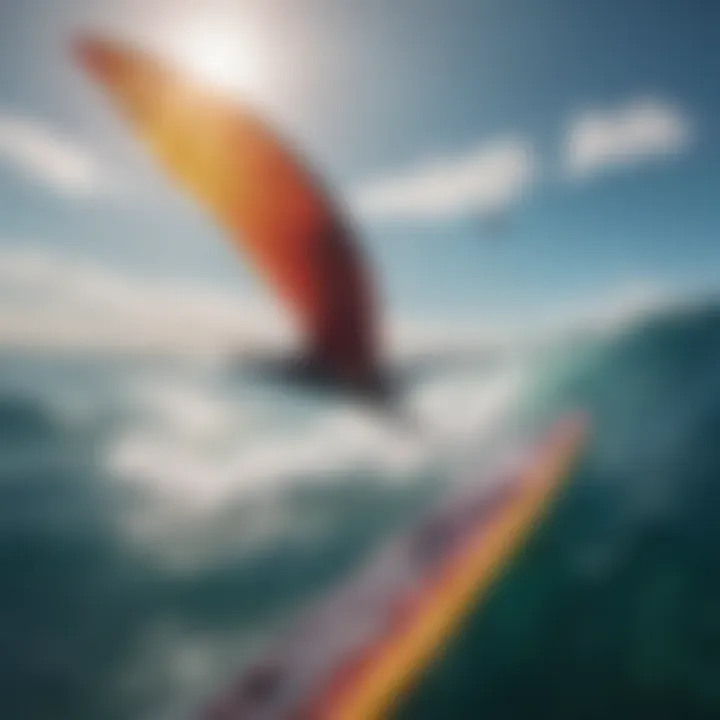
Wing surfing can be encapsulated as a hybrid water sport that involves riding on a board while harnessing the power of a wing. This wing acts like a kite, capturing the wind, allowing riders to glide over the water’s surface. Unlike traditional kiteboarding, the surfer holds onto the wing instead of being tethered to it. This affords a level of freedom and agility rarely experienced in similar activities. The sheer joy of catching a wave, paired with the thrill of controlling a wing, embodies the unique draw of wing surfing, both for sport and leisure.
Historical Context
The birth of wing surfing can be traced back to innovations in kitesurfing and windsurfing, with roots embedded deep in water sports history. As designers and athletes experimented, the first wing craft began to take shape around the late 2010s. This period marked a pivotal move from traditional board riding methods towards a more versatile and intuitive approach. Early adopters were mostly seasoned sailors and kiteboarders who saw potential in the lightweight design of wings fashioned from durable materials, thus paving the way for what would soon become a global phenomenon. Since then, it has only gained traction, as gear has improved and diverse locations opened their arms to the sport.
Comparison with Other Water Sports
When stacked against its cousins—like kiteboarding, windsurfing, and even surfboarding—wing surfing stands out due to its simplicity and ease of learning.
- Ease of Setup: Unlike kiteboarding, which requires extensive setup with lines and harnesses, wing surfing allows for a quick launch. You can simply grab your wing and board and hit the water.
- Freedom of Movement: Riders enjoy more freedom to maneuver. The wing can be held above or to the side, permitting more natural transitions between riding styles.
- Less Gear: A typical wing surfing setup is lightweight with minimal equipment, making transport and management easier for casual outings or travels.
In contrast, traditional windsurfing relies on a fixed sail and a more rigid stance. Each of these sports offers unique aspects that cater to different preferences. However, wing surfing’s flexible nature makes it approachable for a wider audience eager to catch that elusive wind without getting tangled in complicated rigging.
"Wing surfing is as much a state of mind as it is a sport. The wind conditions create a playground where riders push their limits, enjoying nature while honing skills."
In a world where water activities often require a steep learning curve, wing surfing strides in as an inviting alternative, sparking curiosity and excitement among participants. As our understanding deepens into this dynamic discipline, it continues to carve out its niche in the expansive realm of water sports.
The Techniques of Wing Surfing
The art of wing surfing goes beyond merely holding a wing and gliding across the water. It’s a complex dance with the elements that demands both skill and finesse. Engaging with the techniques of this sport is crucial. Why? Because mastering these essentials not only enhances performance but also enriches the overall experience on the water. For those who are serious about wing surfing, delving into the techniques can unveil new levels of control and enjoyment.
Fundamental Skills Required
Before you hit the waves, it’s imperative to get a good grasp of the fundamental skills required in wing surfing. First and foremost, balance is key. Without a solid sense of balance on your board, you’re likely to find yourself taking a dip more often than you'd prefer. Coordination with the wing, managing its pull, and aligning your body accordingly are all essential building blocks.
Additionally, practicing body movements and transitions can greatly improve your overall ability and confidence. Being aware of your posture can make a world of difference when you’re balancing on the board. Muscle memory needs to kick in, so spending time on these basics is non-negotiable. The fundamental skills provide the backbone of all other techniques you'll employ.
Mastering the Wind
Understanding and responding to the wind is one of the most significant aspects of wing surfing. The wind is your ally, and knowing how to work with it can elevate your performance dramatically.
Understanding Wind Patterns
Understanding the patterns of wind is vital because it dictates your approach to wing surfing. Each location has its unique wind characteristics influenced by geography and other environmental factors. Grasping local wind patterns, such as thermal shifts during the day or changes brought about by coastal land breezes, empowers surfers to anticipate conditions. This knowledge transforms what could be a chaotic experience on the water into a more predictable and enjoyable one. Such insights also allow you to take advantage of good wind opportunities while avoiding less favorable conditions.
Wind Direction and Its Impact
Wind direction plays a pivotal role in wing surfing. A solid understanding helps in determining your course and strategy. An offshore breeze, for example, may offer a serene experience for some, but it requires a more cautious approach. In contrast, an onshore wind is often safer and provides a more forgiving environment for beginners.
Moreover, how you position your wing relative to the wind can significantly influence your speed and agility. Understanding the nuances—like the difference between a crosswind and downwind—can help surfers maximize their effectiveness and enjoyment. Adjusting your body and board position in reaction to wind direction is key for maneuvering efficiently out on the water.
Board Control and Maneuvering
Now that you've got wind management under your belt, let’s focus on board control and maneuvering, crucial once you're up and on the move.
Weight Distribution Techniques
Mastering weight distribution can be a game-changer. When you shift your weight correctly, you're able to carve turns and gain speed more fluently. It’s not merely about standing still on the board; it’s about moving dynamically in relation to your speed and the conditions of the water. Moving your weight forward helps with acceleration, whereas shifting back can aid in stopping or reducing speed. Having a feel for these subtle shifts gives you an edge navigating through choppy waters.
Turning and Stopping Effectively
Crucial to any water sport, turning and stopping effectively ensures not just control, but safety as well. Mastering turns involves more than just a quick flick of the wrist; it's a combination of body movements and board orientation. Employing a proper turn can allow you to quickly change directions or avoid obstacles without losing momentum. The finesse in your turns also depends on your ability to read the water and wind conditions.
Equally important is knowing how to stop. Slowing down is often overlooked but is essential for maintaining balance, especially when coming into shore or navigating tight spots. Using your body weight and the wing together for a smooth stop is an art in itself.
"Understanding the basics of wind patterns and board control is the difference between just wing surfing and truly enjoying the ride. The mastery of these techniques enhances safety, performance, and enjoyment on the water."
No matter your skill level, honing these techniques lays the groundwork for an enriching wing surfing experience. As you develop these skills, the water transforms from an intimidating expanse into a playground for mastery.
Equipment Essentials
When it comes to wing surfing, the right equipment is not just an accessory; it's fundamental to the experience itself. The gear you select can significantly influence your performance, safety, and overall joy on the water. Each piece of equipment has its purpose and knowing how to choose and utilize it can make the difference between a smooth glide and a turbulent ride.
The Wing: Types and Specifications
Materials Used in Construction
In wing surfing, the material of your wing affects its durability, weight, and performance. Most wings are crafted from either ripstop nylon or TPU (thermoplastic polyurethane). Ripstop nylon is lightweight and strong, designed to withstand rough weather conditions. Its key characteristic is the fact that it features a grid pattern that prevents tearing from spreading, making it a favored choice among many riders.
On the other hand, TPU is often more water-resistant and provides a longer lifespan, thanks to its resilience under UV light. However, it can be heavier and more costly. A unique feature in wings made from these materials is the combination of durability and flexibility, allowing riders to maneuver easily. Depending on your style, if you tend towards aggressive riding, ripstop nylon might do the trick. Alternatively, for a more laid-back ride, TPU’s benefits could outweigh the weight consideration.
Size Selection Based on Conditions


The size of the wing you choose can dramatically alter your wing surfing experience. It's crucial to select the right size based on wind conditions, rider weight, and skill level. Larger wings catch more wind, providing easy lift for lighter winds, while smaller wings are preferred when the winds are stronger and more consistent. The key characteristic here is adjustability.
The unique advantage of correctly sizing your wing is that it promotes better control and reduces fatigue. However, going for a larger wing in high wind can lead to overpowered situations, making handling difficult. Knowing when to size up or down can keep you on your feet longer and enjoying the thrill of wing surfing comfortably.
Choosing the Right Board
Different Board Shapes
Much like the wing, the shape of your board can heavily impact performance. There are different shapes, including directional and twin-tip boards. Directional boards, resembling a surfboard, are often better suited for more advanced maneuvers and waves. In contrast, twin-tip boards allow for riding in both directions, making them excellent for beginners.
The key characteristic of the board shape is its influence on stability and speed. While directional boards can provide enhanced control in waves, they might lack the versatility that a twin-tip board offers. The unique feature to consider here is the board's rocker profile, which affects how the board glides across the water. A flatter rocker typically provides faster speeds, while a more pronounced rocker aids in turning and maneuverability.
Balancing Stability and Performance
Striking the right balance between stability and performance is vital in wing surfing. A wider board offers more stability, helping beginners feel secure on the water. However, as surfers advance, they may opt for narrower boards that can enhance speed and maneuverability during tricks and jumps.
The key aspect to keep in mind is that attracting performance can sometimes come at the cost of losing balance. Selecting a board that fits the rider’s current skill level can help navigate challenges smoothly, allowing for growth without risking safety. Like everything else in wing surfing, this balance becomes a personal journey, often requiring several trials to find just the right fit.
Safety Gear and Accessories
Wetsuits and Impact Vests
In wing surfing, ensuring comfort and safety while out on the water is essential. Wetsuits are often made from neoprene, providing insulation and buoyancy. The key characteristic of wetsuits lies in their thickness choices, which vary according to temperature. A thicker wetsuit offers warmth but might restrict movement, while a thinner one allows for greater exertion.
Impact vests, on the other hand, protect against falls and injuries by cushioning blows. A unique feature in modern impact vests is the integration of floatation materials, which can keep you above water in emergencies. While they do provide safety, they can bulk up your profile in the water, so selecting the right fit is essential for comfort and protection.
Leashes and Harnesses
Leashes and harnesses are also critical components of your wing surfing setup. A leash typically attaches the wing to your arm, ensuring it doesn't drift away during crashes. The key characteristic of a good leash is its strength and elasticity; it should stretch and absorb shocks without snapping under pressure.
Harnesses are essential for connecting the wing to the rider, allowing for better control and energy transfer through your body. The unique advantage of using a harness is that it can take the strain off your arms, allowing you to ride longer without tiring out. Choosing the right type—be it a waist harness or a seat harness—depends on personal preference and comfort, adding another layer of personalization to the sport.
"Choosing the right equipment is like having the right tools in a toolbox; it shapes your entire wing surfing experience."
By investing time to research and understand these essential pieces of equipment and their functions, every rider, from novice to pro, can enhance their wing surfing adventure significantly.
Best Locations for Wing Surfing
Finding the right spot to enjoy wing surfing can be just as essential as mastering the skills of the sport itself. The locations where one can practice this exhilarating activity influence not just the experience, but also the safety and progression of the rider. In this section, we will explore the top global destinations that are favored for their reliable winds and good infrastructure, as well as the seasonal considerations that could enhance or hinder the wing surfing experience.
Top Global Destinations
Coastlines with Reliable Winds
With the success of any wing surfing session hinging on wind conditions, coastlines that offer consistently reliable winds are considered prime spots for enthusiasts and professionals alike. Locations such as Maui, Hawaii, and Tarifa, Spain stand out due to their consistent wind patterns. The trade winds in these regions can create perfect conditions for wing surfers almost year-round.
The key characteristic of these coastlines is the predictability of wind strength and direction. This is especially important for beginners, who find it much easier to learn and build confidence in conditions that are less variable. Additionally, having a backdrop of breathtaking scenery enhances the overall experience, making it a bonus for those who enjoy coastal beauty.
However, there are downsides as well, such as the fact that these popular spots can become crowded during peak times, making it challenging for those seeking a quieter experience.
Accessibility and Infrastructure
Another vital aspect of selecting the best wing surfing location is accessibility and infrastructure. Regions that are easy to reach and offer a welcoming setup for wing surfers are generally favored. Take for instance Cape Town, South Africa; it’s not just about the superb wind conditions, but also the local amenities, such as rental shops, schools, and cozy accommodations that make it inviting.
Accessibility includes both physical reach—how easy it is to get to the beach—and the availability of facilities, which can significantly enhance one’s experience. Locations with organized schools and rental facilities reduce the hassle of transporting gear, especially for those flying in from other countries.
Nevertheless, the flip side may be that highly developed areas can lose some of their natural charm and rugged appeal, attracting tourists but sometimes pushing locals away.
Seasonal Considerations


Optimal Times for Each Location
Seasons play a significant role in wing surfing, impacting not only the wind patterns but also the crowds and weather conditions one can expect. Finding the peak times for each location helps in planning the best trip possible. For instance, summer might be the best time for windsurfing in the Mediterranean, while winter can bring ideal conditions in South America.
These peak periods often coincide with local weather patterns, such as trade winds which offer an added benefit of steady winds. Moreover, traveling during these times can often lead to meeting fellow enthusiasts who can provide tips or local insights. However, it's wise to stay alert to the fact that optimal times usually mean crowds, which could detract from individual enjoyment.
Weather Patterns and Safety Tips
Understanding weather patterns is crucial for any wing surfer, and not just in terms of selecting a time to go. The significant fluctuations in weather can greatly affect how a session goes. For example, sudden storms or strong gusts can pose serious dangers, so being attuned to local forecasts can be a lifesaver.
Safety is paramount in wing surfing; knowing when to ride and when to stay on land cannot be overstated. This knowledge can help avoid potential hazards that arise from either being unprepared or catching unexpected shifts in the weather. Checking forecasts and observing local conditions will only enhance your safety profile, ensuring the spirit of adventure doesn’t become overshadowed by a mishap.
"Preparation is key. Knowing when and where to go can make the difference between an exhilarating adventure and an avoidable mishap."
In summary, the best locations for wing surfing are dictated by a mix of reliable wind, infrastructure, and favorable seasons, alongside a healthy respect for changing weather conditions. The journey of wing surfing is intertwined with where one chooses to embrace the winds, and picking the right spot can shape the experience significantly.
The Community and Culture of Wing Surfing
The community and culture surrounding wing surfing play a pivotal role in shaping the sport itself. It thrives on the principles of camaraderie and shared passion among enthusiasts, drawing individuals from all corners of the globe. As wing surfing continues to resonate with more people, understanding its community dynamics becomes crucial for novices and veterans alike. Not only does it foster growth among participants, but it also contributes to the sport's evolution and sustainability.
Events and Competitions
Major Competitions Worldwide
Major competitions worldwide spotlight the skills and artistry of wing surfers, providing a stage for both seasoned athletes and budding talent. Events such as the Wing Foil World Cup and the GWA (Global Wingsports Association) events bring together diverse participants, making it a vibrant melting pot of styles and techniques. These competitions are known for their high-stakes atmosphere, which attracts not only competitors but also tons of spectators seeking to cheer for their favorites.
The community thrives on these events as they elevate the sport's visibility, encouraging more people to take up wing surfing. One noteworthy feature of these competitions is the integration of various racing disciplines, which allows participants to showcase not only speed but also creativity. However, entering a major competition can be daunting for newcomers, posing the challenge of needing extensive experience and preparation to compete at that level.
Local Events and Meetups
Local events and meetups are the lifeblood of the wing surfing community at a grassroots level. They serve as platforms for enthusiasts to connect away from the pressures of competition. Places near beaches or lakes frequently host informal gatherings where surfers exchange tips, share experiences, and sometimes even partake in fun, laid-back races. These meetups are particularly beneficial for newcomers, offering a welcoming environment where they can learn without the intimidation of competition. A special thing about local events is the accessibility they provide, allowing beginners to participate regardless of their skill levels. However, one downside may be the inconsistent availability of these events, which can vary seasonally or regionally.
Connecting with Fellow Enthusiasts
Online Forums and Social Media
Online forums and social media have transformed how wing surfers connect. In today’s world, participating in discussions on platforms like Reddit and dedicated Facebook groups extends the community beyond geographical constraints. A key aspect is the real-time interaction and exchange of ideas, which can be immensely valuable for both learning and promoting the sport. These platforms host vibrant discussions about techniques, gear reviews, and trip recommendations. While this virtual community fosters learning and connection, it's worth noting that misinformation can sometimes lurk amidst the wealth of knowledge, requiring participants to critically evaluate advice received online.
Clubs and Organizations
Clubs and organizations dedicated to wing surfing create a formal structure within which like-minded individuals can unite. Groups like the Ozone Team and various local surf clubs offer training, workshops, and social events. Joining such organizations can greatly benefit enthusiasts by providing access to exclusive deals on equipment, and workshops led by experienced surfers, and fostering local engagement. While the sense of belonging to a club enhances one's surfing journey, the commitment to membership can be a downside for some, particularly if resources or time for active participation are lacking.
In summary, the community and culture of wing surfing not only enriches the sport itself but also cultivates lasting relationships among its participants, ensuring its vibrant evolution.
Sustainability and Environmental Impact
In a world increasingly aware of its ecological footprint, the topic of sustainability within wing surfing cannot be brushed aside. This rapidly growing activity brings considerable attention not only to the thrill of catching wind on water but also to the urgency of preserving our marine and terrestrial environments. As enthusiasts embrace wing surfing, the question arises: how does this sport impact our natural world, and what practices can we adopt to ensure its longevity?
One of the pivotal benefits of prioritizing sustainability within wing surfing is the preservation of coastal ecosystems. Healthy coastlines aren't just picturesque; they are vital for biodiversity, providing homes for countless species. By focusing on eco-friendly practices, wing surfers can actively engage in the protection and restoration of these precious areas. Additionally, the environmental awareness fostered by sustainable practices attracts newcomers who value ethical recreation, forming a bridge between adventure and stewardship.
By understanding and implementing measures to minimize the impact of wing surfing, participants can prevent potential damage to fragile ecosystems. Not only does this benefit the environment, but it also enhances the overall experience of the sport, as pristine locations become more accessible and enjoyable for all.
Eco-Friendly Practices
Adopting eco-friendly practices plays a critical role in mitigating the negative aspects associated with wing surfing. Here are a few strategies that practitioners can adopt to leave a smaller imprint on the environment:
- Opt for Sustainable Gear: Choosing equipment made from recyclable or environmentally-friendly materials can significantly reduce waste. Brands are increasingly offering wings and boards designed with sustainability in mind, which often do not compromise on performance.
- Leave No Trace: This principle applies not only to camping but also to water sports. Participants should be conscious of littering and ensure they take everything with them. Ensuring trash isn't left behind helps maintain the natural beauty of the spots where wing surfing takes place.
- Educate Fellow Surfers: Sharing knowledge about sustainable practices can create a ripple effect, encouraging a community-wide commitment to eco-friendly behavior. Hosting workshops or informal talks while out on the water can improve overall awareness.
"The wind and the water are interconnected with our environment. Protecting it is part of embracing our passion."
Through collective action and individual responsibility, the wing surfing community can strive to maintain its impact on our planet's health.
Protecting Natural Resources
Protecting our natural resources should be at the forefront of every wing surfer's mind. Water and wind resources are not limitless, and their degradation can fundamentally alter the sport’s landscape. Several key considerations include:
- Responsible Usage of Coastal Areas: Frequenting specific spots can lead to wear on the land and noticeable changes in the shoreline. Limiting the intensity of use and being mindful of seasonality can help maintain these precious areas. This is especially vital during sensitive ecological periods, such as breeding seasons for shorebirds.
- Advocacy for Conservation: Joining local environmental groups focused on coastal preservation can amplify efforts toward sustainable wing surfing. By standing together, the community can push for policy changes that support natural resource protection.
- Reduce Water Pollution: Wing surfers should avoid areas near excessive boat traffic or potential pollutant runoff. Understanding the environmental health of zones before heading out is crucial. Clean, clear waters enhance the safety and enjoyment of wing surfing while safeguarding aquatic life.
In summary, the essence of wing surfing intertwines with a commitment to sustainability and the protection of natural resources. As the sport continues to grow, it is imperative that all participants recognize their role in preserving the environmental sanctity of the areas they enjoy. This proactive approach not only enhances the experience of wing surfing but also ensures that future generations can experience its thrill amid a thriving ecosystem.