Exploring Surf Kiting: Techniques, Gear, and Locations
Intro
Surf kiting is not just about catching waves; it's a fusion of skill, precision, and the thrill of wind and water. Combining elements of kitesurfing and surfing, this sport attracts adventurers from all walks of life. The allure of surf kiting lies in its ability to provide an adrenaline rush that few activities can match, while also fostering a community where enthusiasts share tips and experiences.
As you embark on your journey into the realm of surf kiting, you'll find that each ride tells its own story. From your very first attempt at riding the wind across the water to executing intricate tricks in a display of artistry and control, there's a considerable learning curve involved. But don’t let that discourage you; every expert was once a beginner.
This article aims to guide you through various aspects of surf kiting, from fundamental techniques to the latest gear and the prime locations worldwide where you can practice your skills. The goal here is not just to teach but to inspire you to embrace the surf kiting lifestyle fully.
Techniques
Understanding the techniques behind surf kiting is crucial to developing your abilities and gaining confidence on the board. Mastering the basics sets a solid foundation for advancing to more complex maneuvers, whether you're enjoying a calm day at the beach or tackling adrenaline-pumping waves.
Beginner Kiteboarding Techniques
For those stepping into the world of surf kiting, mastering the basics is essential. Here are some fundamental techniques:
- Body Dragging: This technique helps you understand how to control your kite while being pulled through the water without the board. It's useful for retrieving your board after a fall.
- Water Start: Once you're comfortable with body dragging, it’s time to learn how to get up on your board while harnessing the wind’s power. Start by positioning yourself in the water with one foot in the board and the other ready to push against the surface.
- Riding: Once you're up, focus on your stance. Keep your body low and balance centered for better control. Don't forget to look where you want to go—it often determines your path more than you think.
Advanced Freestyle Maneuvers
As your skills grow, you might want to impress onlookers with some flashy tricks.
- Jumping: At this level, understanding your kite’s power dynamics is key. Timing your pop—when you push down on the board to leap into the air—comes with practice. Make sure to control your descent to avoid harsh landings.
- Rotations and Spins: Techniques like the 360° spin enhance style and skill level. They require not only confidence but also a solid understanding of kite control.
- Handle Passes: This maneuver, where the rider passes the handle of the kite while airborne, takes ample practice. It's not just about the jump but also about the kite’s positioning and your body movements in the air.
Gear Reviews
The right equipment is indispensable to your surf kiting experience. It can influence your performance and comfort significantly. Here, we’ll dive into essential gear that every kiteboarder should consider.
Latest Kiteboarding Equipment
- Kites: Different types of kites suit various wind conditions and riding styles. For example, the Duotone Evo is a popular choice for its versatility and easy handling in varying wind conditions.
- Boards: Your board size and shape depend on your skill level and riding style. The Slingshot Misfit is favored by many for its stability and maneuverability, making it great for both freestyle and freeride.
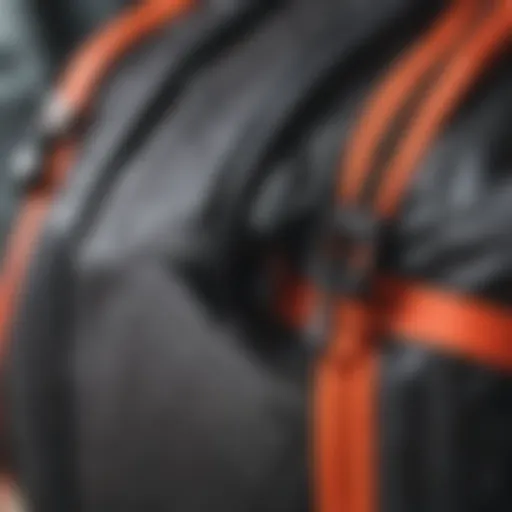
- Harnesses: A good harness distributes the force of the kite effectively. The Mystic Warrior Harness is noted for its comfort and reliability.
Essential Accessories for Kiteboarders
- Safety Leash: Invest in a reliable safety leash. It keeps you connected to your board during mishaps.
- Impact Vest: An impact vest provides extra support and cushions the body against falls, especially in challenging conditions.
- Waterproof Bag: Essential for protecting your gear from water damage when not in use.
End
As you delve into surf kiting, remember that each ride brings new lessons. Emphasizing disciplined practice alongside the right gear will only enhance your journey. Dive deep into the surfing community, whether online or at your local beach. Resources like Wikipedia and Britannica offer valuable insight into the sport’s evolution and techniques. Armed with knowledge, gear, and community support, you’re well on your way to mastering the art of surf kiting.
Understanding Surf Kiting
Surf kiting combines the thrill of surfing with the power of kitesurfing, making it a unique sport that offers both excitement and challenge. By grasping the fundamentals of surf kiting, individuals not only enhance their riding skills but also enrich their overall experience on the water. Understanding the nuances of this sport is pivotal for enthusiasts, instructors, and professionals alike, as it directly relates to safety, technique improvement, and enjoyment.
Definition and Overview
Surf kiting is a water sport that involves riding a surfboard while being propelled by a large kite. Imagine skimming over waves, the salty spray misting your face, while a colorful kite lifts you skyward. In essence, it merges the thrills of traditional surfing with kiteboarding, giving riders the ability to harness wind power. While the basic premise sounds straightforward, the execution requires a deep understanding of wind conditions, wave dynamics, and riding techniques.
One defining aspect of surf kiting is the choice of equipment, as riders must match their kite size, board design, and harness features to their skill level and local conditions. Also, necessary knowledge on weather patterns enhances a rider’s ability to choose the right time and place for kiting. Ensuring safety underwater is another dimension where skills like duck diving or downwind escapes play a crucial role. With this multifaceted understanding, surf kiting becomes more than a sport; it’s an attractive blend of art and science.
The Evolution of Surf Kiting
Surf kiting’s story dates back a few decades, initially emerging from experimental kites that were adapted for use on water. In the early days of the sport, enthusiasts had to rely on ingenuity, often crafting their own gear. However, the introduction of dedicated kitesurfing equipment in the late 1990s revolutionized the practice. This evolution allowed for better control and performance, making it easier for novices to start and for seasoned riders to perform elaborate tricks.
Throughout its development, surf kiting has absorbed techniques from both surfing and kitesurfing. What sets it apart is its focus on utilizing waves, creating a distinct style where wave riding is the central theme. Nowadays, detailed instructional courses, gear innovations, and a growing community have helped shape a sustainable environment for surf kiting to flourish globally.
Different Disciplines in Kiting
Surf kiting comprises various disciplines, each attracting a different type of rider. The most prominent include:
- Freestyle: This discipline focuses on performing tricks, jumps, and aerial maneuvers. It is a display of creativity and skills on the water.
- Wave Riding: This emphasizes using the power of the ocean waves while incorporating kitesurfing techniques. It appeals to those who love the harmony of riding swells.
- Slalom racing: Combining speed with navigation, riders race against others, maneuvering around buoys, blending strategy with skill.
Each discipline brings its own joys and challenges, catering to diverse preferences and abilities. Many riders may dabble in different styles, developing a versatile set of skills that enhance their overall kiting experience. With a community that cultivates passion and support, surf kiting thrives, continually inviting newcomers into its exhilarating world.
Techniques to Master
In the thrilling realm of surf kiting, having a solid grasp of essential techniques is paramount. These skills not only enhance your performance but also ensure an enriched and safer experience on the water. Mastering various techniques opens up a world of possibilities, from performing tricks to navigating different weather conditions. Therefore, it becomes crucial to invest time and effort into honing these techniques to unlock your full potential as a kiteboarder.
Fundamental Skills
When embarking on your surf kiting journey, fundamental skills are your building blocks. These skills include:
- Kite Control: Understanding how to steer and control the kite effectively is vital. Whether it's learning to power up or depower, this aspect greatly influences your ability to ride smoothly.
- Body Positioning: Appropriate body positioning can make a world of difference. Keeping your weight centered while riding helps maintain balance and stability. Standing up tall and slightly bending your knees provides a solid foundation as you merge with waves.
- Launching and Landing: Knowing the proper techniques for launching and landing your kite has both operational and safety implications. A well-executed launch can set the tone for a successful ride, while a safe landing can prevent accidents and injuries.
Consistency in practicing these skills is key. You can start practicing on land, making sure to understand how the kite reacts before hitting the water. Remember, as the saying goes, "practice makes perfect."
Advanced Riding Techniques
Once you have a solid foundation in fundamental skills, diving into advanced riding techniques can elevate your experience. These techniques can significantly enhance your performance:
- Jumping: Learning how to jump with precision brings an exhilarating aspect to your riding. It involves timing your kite pull with body movements. Timing is critical—pull up on your back foot just when the kite is at its zenith, then bring your knees up for a clean landing.
- Riding Upwind: Mastering the art of riding upwind is essential for any serious kiteboarder. It allows you to make the most of the wind power and maneuver independently. The trick is to maintain your edge while pressing down on your heels.
- Tricks and Stunts: As you gain confidence, incorporating tricks like grabs, rotations, or flips will not only be a thrill but also impress fellow riders. Work on one maneuver at a time. It helps to start with simpler tricks before progressing to more complex ones.
Advanced techniques require patience and practice. Repetition allows your body to adapt and execute these skills with fluidity.
Safety Practices
In any water sport, safety should always be the uppermost concern. Adhering to safety practices can prevent many accidents. Consider the following:
- Wearing a Personal Flotation Device (PFD): It's non-negotiable to wear a PFD. It keeps you afloat in the event of an unexpected incident.
- Checking Conditions: Always assess weather and water conditions prior to riding. Strong winds, waves and other variables can pose serious risks. Tools like the Windy app help provide real-time information on local weather conditions.
- Educate Yourself on Signals: Acknowledging hand signals and safety communication with fellow kiteboarders creates a safer environment. Make sure to touch base with local riders about the protocols for your chosen spot.
- Understanding Emergency Procedures: Knowing what steps to take in case of an emergency is crucial. Prepare for the worst—this could mean having a plan to signal for help or knowing how to handle your equipment in distress.
"Safety is a state of mind. Don't venture into the unknown unprepared; it pays to be cautious."
By ingraining these safety practices into your routine, you set the stage for a more enjoyable and secure surf kiting experience.
Essential Gear for Surf Kiting
Surf kiting, like any adventure sport, wears many hats. Having the right gear means the difference between a smooth ride and a tale of mishaps that your friends won’t let you live down. The very essence of surf kiting lies in its exhilarating blend of surfing and kiteboarding, and the tools you choose become an extension of your body on the waves. So here we dig into the essentials—what to look for, and how gear can elevate your experience immensely.
Choosing the Right Kite
Choosing a kite is no small feat. The kite must suit your style and the conditions of where you’ll be kiting. Beginners often fare best with kites that offer stability and ease of control. A wide range like the Naish Pivot or Ozone Edge can be great options for varying wind conditions and skill levels.
Key Factors to Consider:
- Size: Larger kites generate more power but can be unwieldy in heavy winds. A small kite is better for gusty conditions but won’t deliver the same speed.
- Shape: Different profiles—such as C-shaped versus delta—impact how the kite flies and turns. Experience and preference will guide choices here.
- Material: Lightweight materials affect durability and performance. Ripstop nylon is popular for its mix of strength and weight.
Before making a purchase, test the kite in varied conditions or consult with experienced riders. The right kite should feel like second nature.
Boards: Types and Features
When it comes to boards, the choices are as diverse as the riders themselves. The connection between rider and board plays a crucial role in performance. Whether you prefer the freedom of a twin-tip or the carving ability of a directional board, understanding the types and features can help sharpen your decision.
- Twin-Tip Boards: These are the go-to for many because they allow riding both directions, opening the door for tricks and jumps. Brands like Slingshot and Cabrinha offer great options that balance flex and stiffness effectively.
- Directional Boards: If you’re inclined towards wave riding, a directional board can offer better control and maneuverability. Check out Fanatic's selection; their boards are well-recognized for performance in surf conditions.
- Foil Boards: For those ready to step into the futuristic experience, foil boards lift you above the surface, giving a different thrill altogether. Gear from companies like Lift Foils can provide a unique perspective of the ocean.
The design of the board—including width, length, and fin configurations—can greatly enhance your ability to glide through the water. It’s about finding the right match for your riding style.
Harnesses and Safety Equipment
Focusing on harnesses may seem mundane compared to the flash of kites and boards, but it’s vital for comfort and control on the water. A good harness should fit snugly without restricting movement.
- Types of Harnesses:
- Waist Harness: Offers more mobility and is ideal for freestyle riders. However, it may ride up if not secured properly.
- Seat Harness: Provides more support and is usually recommended for beginners, helping to distribute the load.
Safety Equipment is equally important. Aside from your kite and board, wearing a good-quality personal flotation device (PFD) can be a lifesaver, especially in rough waters. Look into durable models like those from Mystic.
Here’s a rundown of must-have safety gear:
- Helmet: Protects against impacts from both board and kite.
- Impact Vest: Cushions falls and adds flotation.
- Leash: Keeps your kite connected and prevents loss.
By investing in the right harness and safety gear, you're not just ensuring a better experience; you’re making a profound commitment to your own wellbeing.
"Kites, boards, harnesses—these are more than gear. They transform a simple day at the beach into an epic adventure on the waves."
When navigating the world of surf kiting, remember that the right equipment easily becomes your trusty allies. With thoughtful choices, you’ll be equipped to tackle the waves with confidence and style.
Best Locations for Surf Kiting
When it comes to surf kiting, choosing the right location can make or break your experience. The ideal spot enhances skill progression and provides the necessary conditions for enjoyment, safety, and community engagement. From scenic beaches to bustling kiteboarding hotspots, each location offers a unique flavor of surf kiting culture, weather, and wave conditions. With this in mind, we’ll explore both popular destinations worldwide and lesser-known local gems, emphasizing the significance of climate and environmental factors.
Popular Destinations Worldwide
Some places become icons for surf kiting, attracting enthusiasts from far and wide. Here are a few destinations that stand out:
- Tarifa, Spain: Often referred to as the kiteboarding capital of Europe, Tarifa boasts consistent winds and a vibrant community. The bustling beaches are perfect for both beginners and seasoned riders.
- Maui, Hawaii: Known for its stunning landscapes, Maui allows riders to experience the thrill of kiting in the backdrop of waves that would make any surfer drool. Ho'okipa Beach is a must-visit, flaunting excellent conditions and scenery.
- Cabo Verde: With its warm waters and reliable winds, Cabo Verde provides a tropical escape. The conditions throughout the year are suited for intermediate and advanced riders, making it a prime choice for those looking to push limits.
- Kite Beach, Cape Town: The iconic Table Mountain serves as a stunning backdrop to the kiting scene here, with conditions that cater to all skill levels. The local culture pulsates with energy and camaraderie.
Local Spots: Hidden Gems
While the well-known spots have their allure, many local gems are worth discovering:
- Hatteras, North Carolina: Off the beaten path, Hatteras offers shallow waters ideal for beginners. The laid-back atmosphere and unspoiled nature appeal to those seeking a more serene experience.
- Martha’s Vineyard, Massachusetts: Often eclipsed by more famous destinations, Martha’s Vineyard hosts wind and wave conditions that suit diverse skill sets. The local community is welcoming, making it easier for visitors to fit in.
- The Bahamas: Beyond its famous beaches, there are numerous lesser-known cays where kite surfers can find untouched beauty and perfect conditions. The shallow, clear waters further enhance the experience.
- The Red Sea, Egypt: Places like El Gouna provide just the right mix of reliable winds and warm weather. This destination often gets overlooked but offers thrilling kiting experiences amid stunning desert landscapes.
Climate and Conditions to Consider
Selecting the best location for surf kiting goes beyond just aesthetics; understanding the local climate and conditions is essential. Here are some pointers to think about:
- Wind Patterns: Find out whether the area has consistent wind throughout the season. Look at statistics to gauge strength and frequency. Spots like Tarifa enjoy a sustained wind season.
- Tide Conditions: Different tides can significantly impact wave size and safety. Be familiar with tide calendars and plan your sessions accordingly.
- Weather Variability: A region with stable weather patterns is ideal. Climates that lean towards predictability will allow for more spontaneous riding sessions.
- Crowd Levels: Some locations can become overcrowded, particularly during peak seasons. This may affect your riding experience and safety. Choose times that suit your preferences or consider less popular destinations to take advantage of quieter waters.
Community and Culture
In the realm of surf kiting, the community and culture play pivotal roles that go beyond just the thrill of the sport itself. They shape the experiences of riders, foster connectivity, and promote a lifestyle that resonates with values such as respect for nature and camaraderie among fellow enthusiasts. Understanding this aspect is not merely an accessory to the physical activity; it serves as the backbone of the surf kiting experience.
The Kiteboarding Community
The kiteboarding community embodies a diverse tapestry of individuals brought together by their passion for the ocean and the wind. It's a melting pot where seasoned riders intermingle with newbies, forging bonds over shared experiences. From local clubs to international groups, this sense of belonging helps to create a supportive environment.
When you hit the beach, it's common to see friendly faces, whether they’re sharing tips on technique or recommending the best spots for riding. Shared experiences often lead to lifelong friendships, with social media groups on platforms like Facebook and Reddit allowing enthusiasts to stay connected, exchange advice, or organize trips. The welcoming nature of this community encourages inclusivity, making it accessible to anyone willing to give it a shot.


Events and Competitions
Events and competitions serve not just as showcases for talent but also as celebrations of the surf kiting culture. They gather practitioners from all over, igniting camaraderie and fostering a spirit of friendly competition. Notable events such as the Kiteboarding World Cup and local beach festivals often feature thrilling displays of skill, offering spectators and riders an engaging atmosphere.
Participation in these events can elevate a rider’s skills, pushing them to learn and innovate. Spectating these competitions opens up new horizons of technique and style, as riders observe the latest trends firsthand. Moreover, these gatherings often carry an underlying theme of environmental responsibility, as many competitions involve beach clean-up initiatives or promote ecologically sound practices.
Global Impact and Eco-Consciousness
As the sport of surf kiting grows, so does its influence on environmental consciousness within the community. Riders often find themselves advocates for ocean conservation, understanding that their playground is also a fragile ecosystem. This dual awareness leads to various initiatives; for example, many kiting communities engage in beach clean-up efforts, recycling programs, and lobbying for sustainable practices in both equipment and environmental safety.
The culture encourages responsible riding, emphasizing the importance of protecting marine life and maintaining the natural beauty of the environments they cherish. Riders often take to social media platforms to share their sustainable practices, creating a ripple effect that inspires others to follow suit.
"Surf kiting is not just about riding the waves; it’s about preserving the very places we love to do it."
This global impact is evident as more riders adopt eco-conscious attitudes. Many gear manufacturers are now emphasizing sustainability in product development, which aligns with the community's values. As surf kiting becomes more mainstream, the combination of thrill-seeking and environmental stewardship remains crucial. Thus, the community and culture of surf kiting foster a holistic relationship with both sport and nature.
Training and Development
Training and development in surf kiting are crucial components that can significantly enhance a rider's skill and confidence. Unlike more conventional sports, surf kiting combines the intricacies of surfing with the dynamics of kite flying. Therefore, proper guidance becomes essential. A well-structured training program not only helps in mastering fundamental skills but also fosters a safe atmosphere for progression. This section dives into understanding how to find the right instructor, leveraging online resources, and effectively tracking your progress.
Finding the Right Instructor
When it comes to surf kiting, selecting the right instructor can be likened to picking the right gear. Just as your kite and board can make or break your experience, a skilled and attentive instructor can pave the way for your success.
To start off, consider their certifications. Reputable qualifications, such as those from the International Kiteboarding Organization (IKO) or the Professional Air Sports Association (PASA), often indicate a solid foundation of teaching and safety standards. Additionally, experience counts—look for instructors who are not just good riders but have a history of teaching diverse groups.
Personal rapport is also key; a good vibe with your instructor can reduce anxiety and foster a learning environment. When you contact potential instructors, don't hesitate to ask about their teaching methods and what you can expect during lessons. Do they incorporate safety teachings, or do they prioritize freestyle tricks? Understanding their approach ensures their style aligns with your learning objectives.
Online Resources and Courses
The advent of technology has revolutionized how we approach learning. Online resources and courses are now available, offering a flexible alternative or complement to traditional instruction. Websites like YouTube host countless tutorials ranging from the fundamentals to advanced maneuvers. These platforms often provide step-by-step guidance which can be invaluable for visual learners.
Beyond videos, engaging in online forums or groups on platforms such as Reddit can help you connect with seasoned riders willing to share tips and tricks. Here’s a brief list of useful resources:
- YouTube: Excellent for tutorial videos covering both theory and practice.
- Kiteforum: A valuable community space for discussions, questions, and advice.
- Facebook Groups: Look for specific groups dedicated to local regions or skill levels.
Additionally, consider specialized online courses offered by well-known kiteboarding schools or instructors. Many now provide comprehensive programs that cover safety, theoretical understanding, and practical skills, all from the comfort of your home.
Tracking Progress and Development
Keeping tabs on your development in surf kiting can be immensely beneficial in staying motivated and identifying areas for improvement. Methods to track your progress can be as simple or as elaborate as you want.
One effective way to monitor your growth is to maintain a training journal. Documenting your sessions, what skills you practiced, and how you felt during each ride can reveal patterns over time. This journal becomes especially handy when you notice a plateau; you can revisit quicker wins based on your past experiences.
You might also want to consider using apps designed to track fitness and performance. These apps can monitor distance traveled, wind conditions, and even your jumps or tricks.
Furthermore, sharing your experiences with a community, whether online or in-person, can provide essential feedback. Engaging with other kiteboarders allows you to gain fresh perspectives and pinpoint areas to focus on next.
“Every experience is a lesson; every setback is a step towards mastery.”
Exploring New Trends
In the evolving world of surf kiting, keeping up with the latest innovations and trends can significantly elevate the experience for both seasoned riders and novices. These trends not only impact the types of equipment on the market but also influence the riding styles, safety practices, and even the cultural aspects surrounding the sport. As surf kiting gains popularity, understanding these trends becomes vital for riders, instructors, and marketers alike, allowing them to enhance their strategy and approach toward the sport.
Innovation in Gear Technology
With technology advancing at breakneck speed, surf kiting gear is no exception. Manufacturers are continually introducing cutting-edge materials and designs that enhance performance and safety. Kite materials have shifted from traditional fabrics to lighter, more durable composites. For example, some kites now incorporate advanced ripstop nylon that reduces weight while increasing strength.
Moreover, the design of kites has also gone under the knife, with developments in aerodynamic shapes allowing for better stability in various wind conditions. Riders now have the ability to choose kites that cater specifically to their both riding preferences and the varied environments they might face.
Another significant advancement is the inclusion of smart tech in gear—such as kites equipped with sensors that monitor wind speed and direction, providing real-time data to riders. This kind of innovation is a game-changer, presenting riders with vital information that could help them make safer and more informed choices in unpredictable conditions.
Ultimately, staying abreast of these innovations not only improves individual performance but also contributes to a more skilled and knowledgeable riding community.
Emerging Techniques
As surf kiting grows, so too does the variety of techniques being introduced. The progression from basic skills to advanced maneuvers requires knowledge of the latest riding styles and strategies. One emerging trend involves the fusion of surfing and kiteboarding techniques, with a focus on incorporating surf-style moves into kite riding. This hybrid approach enables kiting enthusiasts to engage more dynamically with the waves, bringing a new flavor to the sport.
In addition to stylistic innovations, unique techniques like strapless riding are seeing a surge in popularity. This style pushes riders to develop a stronger sense of balance and engages them more directly with both the kite and the board. It not only provides a fresh challenge but also cultivates creativity and personal expression.
Remember, when exploring new techniques, practice is key. Engaging with community forums or local clubs can help riders learn from each other and discover the latest trends directly from peers.
Growth of Surf Kiting as a Sport
The growth of surf kiting transcends mere participation; it is morphing into an organized and globally recognized sport. Events and competitions are beginning to pop up on calendars worldwide, driving interest among both participants and spectators. The emergence of national and international championships is a testimony to how serious the sport is becoming, attracting professional athletes and hobbyists from all walks of life.
Authorities and local governments are beginning to recognize the potential economic impact of surf kiting tourism. Places traditionally not known for water sports are investing in infrastructure and amenities to accommodate the influx of kiteboarders. For instance, coastal towns often see spikes in business during kiteboarding seasons, which in turn encourages local markets and tourism development.
As surf kiting grows, so does the community surrounding it. From clubs and schools to online forums where riders share advice, camaraderie in this sport becomes a vital component of its continuous growth. The evolution of surf kiting as a sport not only creates excitement for avid riders but also fosters an inclusive environment that draws in newcomers.
"The waves may change, but the spirit of surf kiting remains the same — freedom, adventure, and community."
Safety and Risk Management


Safety and risk management play critical roles in the world of surf kiting, a sport that, while exhilarating, also demands a strong understanding of the potential hazards involved. This section focuses on the specific elements associated with safety and emphasizes the importance of implementing effective strategies to mitigate risks. For both novice and experienced kiteboarders, the stakes can be high. Understanding risks, planning emergency procedures, and considering environmental factors are paramount for sustaining a safe kiting experience.
Understanding Risks
When it comes to surf kiting, recognizing the many risks involved is the first step toward achieving a secure ride. Several factors contribute to the challenges participants face:
- Environmental Conditions: Wind strength, water currents, and wave height can all vary drastically, impacting safety. It's crucial to check the local weather forecast and tide reports before hitting the water.
- Equipment Failure: The reliability and functionality of kites, boards, and harnesses are essential. Regularly inspecting gear for wear and tear can prevent accidents caused by sudden failures during a session.
- Surrounding Areas: Locations with obstacles such as rocks, jetties, or shallow waters pose a heightened risk. Understanding the layout of your chosen spot is vital to avoid collisions.
Ultimately, risk comes not just from the physical aspects of the sport but also from personal skill levels. Newbies might be at a higher risk for mishaps simply due to inexperience. Riders need to know their limits and ensure they're equipped with the necessary skills before diving into challenging maneuvers.
Emergency Procedures
Despite the best efforts toward safety, emergencies can still occur. The need for swift, decisive action is crucial in these situations. A well-thought-out emergency plan can make all the difference. Some key points include:
- Communication: Have a reliable way to communicate with fellow riders and rescuers, be it through hand signals, whistles, or walkie-talkies.
- Rescue Techniques: Being familiar with self-rescue techniques can be a lifesaver. Understanding how to re-launch a kite after a fall or how to signal for help can speed up recovery.
- First-Aid Preparedness: Stocking a first aid kit with bandages, antiseptics, and other essentials can provide immediate care in case of minor injuries. Additionally, knowledge of basic first-aid procedures is invaluable.
Establishing clear emergency protocols before setting out can lessen anxiety and allow riders to focus on enjoying their time on the water.
Environmental Considerations
The environment plays a significant role in both the enjoyment and safety of surf kiting. Being eco-conscious while engaging in the sport can lead to both a safer experience and a healthier planet:
- Avoiding Sensitive Areas: Stay clear of protected habitats and keep a respectful distance from wildlife, especially during breeding seasons. This mindful approach ensures minimal disruption.
- Impact of Waste: Rubbish and debris can create hazards, both for fellow riders and marine life. Adopting the principle of "leave no trace" by cleaning up after yourself contributes to a safer environment for all.
- Weather Awareness: Changes in weather conditions can lead to dangerous situations. Riders should heed warnings about storms or changing wind patterns.
Personal Experiences and Stories
In the realm of surf kiting, personal experiences form a tapestry of narratives that enrich not only the individual’s journey but also the community surrounding this exhilarating sport. The importance of sharing stories goes beyond mere anecdotes; it often serves as a source of inspiration, motivation, and learning for both new and seasoned riders. When individuals recount their adventures, they provide glimpses into the diverse environments and challenges faced, fostering a sense of kinship among the enthusiasts.
Connecting through shared experiences helps to create a supportive community where knowledge is freely exchanged. Stories from the water can also highlight crucial lessons learned, be it about overcoming fears, mastering new techniques, or handling equipment mishaps. By embracing the rich narratives of riders, the culture of surf kiting expands, enriching the social fabric integral to the sport.
Moreover, listening to the journeys of fellow kiteboarders can enhance skills and safety. They often share insights into local spots, weather conditions, and gear preferences that might not be readily available in manuals. Altogether, these insights elevate the readiness of newcomers and allow them to avoid common pitfalls.
Rider Testimonials
Testimonials from riders offer a raw and candid perspective that helps newcomers and veterans alike assess their own experiences and rekindle their passion for the sport. Consider, for instance, Matthew, who took his first kiteboarding lesson during a vacation in Cabarete, Dominican Republic. He shared:
"The rush of being pulled by the wind while gliding over the water felt like flying. I was hooked instantly!"
This emotional connection to the sport is undoubtedly prevalent among those who brave the waves.
Likewise, Sarah, a seasoned kiteboarder, reflects, "Every time I ride, I learn something new—whether it’s a better way to work with the wind or how to handle rough waters. Each session offers distinct challenges, and that’s what I love most."
These anecdotes reveal a common thread; each rider's journey is unique, yet they resonate with similar themes of excitement, growth, and a love for the freedom surf kiting provides. By showcasing these narratives, the article resonates with potential riders who might feel intimidated by the thought of attempting the sport.
Adventurous Journeys
Adventurous stories often drop jaws and spark the imagination. Take the journey of Thomas, who participated in a kite safari in South Africa. With the wind at his back, he navigated through stunning coastlines and vibrant local cultures. His description of the experience paints a vivid picture: "Kiting in different spots made me appreciate the beauty of nature. One moment, I’m flying over turquoise waters; the next, I’m sipping local coconut water at a beach shack."
Such tales are not only captivating but also encourage riders to venture into new geographical terrains. They illuminate the variety of experiences available, from pristine beaches to rugged cliffs, each location presenting its challenges and rewards.
Whether it’s riding in the exotic locales of **Thailand or along the windswept shores of Hood River, each journey fuels the desire to engage more deeply with this thrilling sport. The consequences of these journeys often extend beyond personal achievement; they promote appreciation for different cultures and environmental awareness, encouraging responsible engagement with the locations visited.
Cultural Experiences through Surf Kiting
Surf kiting not only serves as a sport but also as a gateway to understanding diverse cultures. Each location has its unique blend of traditions, music, and lifestyle that interweave with the kiting community. For instance, while in Brazil, riders often participate in local festivals that combine music, dance, and kiteboarding, illustrating a vibrant connection between local customs and the sport.
Moreover, cultural exchanges happen naturally. Riders from around the world gather to share not just tips about techniques and gear, but also to learn dances, cuisine, and languages that encapsulate their host's culture. Jessica, another kiteboarding enthusiast, remarked: "The best part of kiting in different countries is the friendships formed with people whose lives are so distinct from my own. It’s enlightening and broadens my perspective."
Ultimately, these interactions reinforce not only the sport but also underscore the importance of eco-consciousness in preserving the beautiful environments that make these experiences possible. As such, engagement with local communities fosters not just personal growth, but also a broader appreciation for preserving the cultural richness inherent to each destination.
Future of Surf Kiting
The future of surf kiting stands at a crossroads, where the fusion of technology, community engagement, and a call for sustainability are pushing this exhilarating sport into the next era. Understanding where surf kiting is heading can equip enthusiasts—be they avid kiteboarders, aspiring instructors, or travel agents looking to promote kiting locations—with the insights needed to navigate this evolving landscape. As the sport grows its footprint globally, awareness of emerging trends, environmental responsibilities, and technological advancements could significantly influence everyone in the community.
Looking Ahead: Industry Predictions
As the surf kiting landscape changes, industry predictions give us a glimpse into what the future holds. Some might argue that the growth of surf kiting could parallel the boom of snowboarding in the '80s. In the next decade, we can expect increased participation due to the advent of more accessible gear, innovative teaching methods, and a burgeoning community that connects diverse riders.
- Proliferation of Adaptive Gear: Gear manufacturers are increasingly focusing on creating adaptive kiting equipment for beginners and differently-abled riders. This will likely demystify the sport for newcomers and promote inclusivity.
- Enhanced Safety Protocols: With around-the-clock information and assurance that kiting can be enjoyed safely, the industry might see more riders without extensive training. More regulated safety practices will ensure that participants can enjoy the thrill while also understanding risks.
- Potential Popularity Surge in Urban Areas: As cities embrace waterfront development projects, urban kiting spots may become popular. Smaller kite setups that cater to urban environments will make this sport accessible to a wider audience.
Role of Technology in Evolution
Technology plays a pivotal role in shaping the evolution of surf kiting. Additions in tech may create strides not just in gear, but in how enthusiasts interact with the sport itself.
Smart Kites and Apps: The rise of smart technology is driving innovation in kite design and functionality. Imagine kites equipped with sensors that adjust flight dynamics in real-time based on wind conditions. Additionally, mobile applications could harness real-time data analytics for wind patterns, providing valuable information to riders before they hit the water.
Social Media and Community Building: Platforms like Instagram and Reddit are already playing a crucial part in fostering a global community. With socially-driven content and user-generated tips, these platforms may become vital in sharing experiences, showcasing techniques, and connecting riders from different corners of the globe.
Sustainability in Surf Kiting
In today’s world, the call for sustainability echoes louder than ever, and surf kiting is no exception. As the environmental implications of water sports become clearer, the community is navigating new responsibilities.
Eco-Friendly Gear Innovations: Manufacturers are increasingly looking at sustainable materials to create kites and boards. Biodegradable sails and recyclable boards may soon become mainstream, appealing to eco-conscious consumers who wish to minimize their carbon footprint.
Protecting Our Playground: The actions taken to preserve beaches and coastal ecosystems can never be overstated. Initiatives like beach clean-ups are set to become more prevalent, uniting surfers and kiteboarders alike in a shared mission to safeguard the natural environment.
"Embracing sustainability isn't just about reducing impact; it’s about ensuring that future kiteboarders can enjoy pristine waters and winds."
Closure
The future of surf kiting looks bright, with various factors contributing to its evolution. As industry predictions unfold, technology continues to innovate, and sustainability becomes a core aspect of the community's ethos, kiting will likely remain a vibrant and cherished sport. For participants, being attuned to these developments will not only enrich their experience but also empower them to make informed decisions in their kiting journey.