Exploring Kite Dynamics for Surfing Enthusiasts


Intro
Kite surfing, an exhilarating sport that merges the power of wind with the joy of riding waves, has seen its popularity burgeon over the last few decades. But before diving headfirst into the surf, understanding the dynamics of kites is crucial. Just as one wouldn't jump into a car without knowing how to drive, grasping kite functionality and design can make or break your flying adventure.
Beginners often feel overwhelmed by the plethora of options available on the market, from the design and materials used in kite construction to the variation in sizes suited for different wind conditions. It's like being at a buffet and not knowing what to eat first. This article aims to untangle the complexities surrounding kite selection and kiteboarding techniques while shedding light on safety measures to ensure a memorable experience on the water.
We will explore how rider skill levels influence kite choice, how location plays a key role in safety and enjoyment, and we will dive deep into the technological advancements that have made kiteboarding more accessible and enjoyable for everyone. By the end of this exploration, you should feel empowered to make informed decisions about kiteboarding, whether you are embarking on your first session or eyeing your next major trick.
So, let’s wind up and take off into the world of kite surfing.
Techniques
Beginner Kiteboarding Techniques
For those just dipping their toes into the world of kiteboarding, mastering basic techniques is essential.
- Understanding Body Position: Maintaining an upright posture and slightly bending your knees can help in absorbing shocks and keeping your balance right.
- Control of the Kite: Learn to fly the kite in the power zone, the area where you can generate the most pull. This usually involves keeping the kite low and moving it smoothly in a zigzag pattern across the wind.
- Starting and Stopping: Getting up on the board and managing your speed can be tricky at first. It's wise to practice in calm waters before tackling bigger waves.
For more comprehensive insights on beginner techniques, resources like Kiteboarding.com provide practical tips.
Advanced Freestyle Maneuvers
Once the fundamentals are second nature, progressing to advanced maneuvers opens up an exhilarating world within the sport.
- Kite Loops: This involves pulling the kite in a tight circle while in the air. It can enhance airtime and adds flair to your tricks.
- Handle Passes: Releasing the bar while rotating and then re-grabbing it mid-air is a hallmark of skilled kiteboarders. It requires precise timing and execution.
- Rotations: Mastering various spins helps elevate your performance and impress onlookers.
While seeing these maneuvers can be inspiring, always remember that practice makes perfect. Online communities such as Reddit offer a great platform for sharing tips and getting feedback from fellow enthusiasts.
Gear Reviews
Latest Kiteboarding Equipment
Staying informed about the latest gear can greatly enhance your coaching, marketing, or traveling endeavors. Notable brands like Cabrinha, North Kiteboarding, and Slingshot regularly update their product lines with improvements in technology and design. Key aspects to evaluate include:
- Material Durability: Look for kites with high-quality fabric that can withstand UV rays and abrasions.
- Inflation Systems: Fast inflation and deflation features help with convenience and time management, especially on windy days.
- Control Bars: Newer designs often include features for ease of use and safety.
For detailed product reviews, platforms such as Kitesurfing Magazine deliver comprehensive insights and comparisons.
Essential Accessories for Kiteboarders
The right accessories can enhance the experience significantly. Some must-have items include:
- Wetsuits: Depending on your climate, a good wetsuit helps maintain body temperature and protects against impacts.
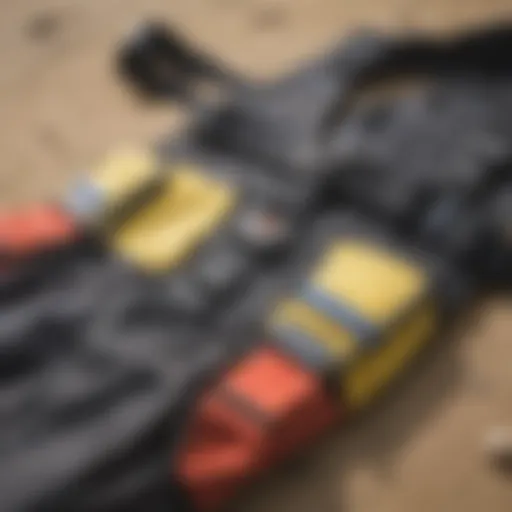
- Safety Equipment: A helmet and impact vest could save you from severe injuries, gotta have your noggin safe!
- Footstraps and Bindings: Ensure these fit well for better control over your board.
Investing in quality accessories not only enhances safety but also contributes to overall performance.
"Safety first, fun follows—don't skimp on crucial gear."
As you navigate the intricacies of kites for surfing, remember that understanding how the components interplay can significantly enrich your overall experience on the water. 🏄♂️
Preface to Kites for Surfing
Kiteboarding, often deemed a marriage of surfing and paragliding, invites participants to harness the wind to glide atop water. As thrilling as it is, understanding kites specifically designed for this extreme sport is pivotal. This introduction serves to anchor readers in the fundamentals of kiteboarding, highlighting its significance not just as a pastime, but as an exhilarating pursuit that melds skill, environment, and technology.
Understanding kites for surfing involves exploring the unique elements that contribute to their performance, durability, and adaptability. From knowing the intricacies of different designs to recognizing their alignment with various wind conditions, each aspect plays a cardinal role in maximizing the kiteboarding experience.
Such knowledge isn’t merely academic; it holds practical benefits. For instance, selecting the right kite can be the difference between soaring smoothly over waves or wrestling against unpredictable bursts of wind. This understanding allows riders of all skill levels—from novices to experienced kite surfers—to engage with their environment more effectively, leading to safer and more satisfying sessions on the water.
Historical Context of Kiteboarding
Kiteboarding has roots that extend back centuries, tracing its lineage to various cultures that employed kites for different purposes. In the 13th century, the first mention of kites in Asia hints at their use for not just recreation but also for military applications. Fast forward to the late 20th century in Hawaii, the transformation into kiteboarding began to take shape as surfers started using kites to catch wind and ride the swell.
Every wave of innovation has pushed the sport into the next domain. The early 1990s saw the commercialization of kiteboarding with the introduction of inflatable kites, opening the floodgates for enthusiasts seeking adventure across the globe. Each development steps forward, paving the path for today's advanced kite designs, perfectly attuned to varied wind conditions and rider preferences.
Evolution of Kite Designs
The evolution of kite designs is akin to a well-tailored suit; it must fit its wearer perfectly to stand out. Early versions of kites were rudimentary, often looking like oversized paper airplanes. The designs progressed quickly, focusing on aspects central to performance, such as stability and lift.
Modern kite designs fall into several categories:
- Foil kites: Known for their superior performance in light wind, they have an aerodynamic shape that can be inflated while in use.
- Leading Edge Inflatable (LEI) kites: These became widely favored due to their versatility, handling wind gusts effectively while providing ample power.
- Hybrid kites: Combining traits from both foil and LEI models, these kites offer a blend of attributes suitable for various riding styles.
Each type of kite is designed with distinct characteristics meant to cater to specific riding needs. For instance, a rider looking to perform tricks will benefit from a kite with superior lift capabilities, while one seeking to cruise over large swells might prioritize stability and control in their selection. In a nutshell, the progression from simplistic kites to the sophisticated models of today showcases an intricate dance of design innovations paired with evolving rider preferences.
Understanding the various kite types and their specific benefits is essential for an enjoyable kiteboarding journey.
Commiting to these principles and historical insights sets the stage for all subsequent discussions about kite selection, techniques, and safety protocols, underscoring just how pivotal the design and understanding of kites is in the overall kiteboarding experience.
Types of Kites


When it comes to kiteboarding, the variety in kite types can often feel like a double-edged sword. Understanding these differences is essential because the type of kite you choose has a substantial impact on your performance, control, and overall enjoyment.
The distinction between kites is not merely academic; it shapes your experience on the water. Each kite type offers unique features, benefits, and considerations, making it crucial to match them with your riding style and local conditions.
Foil Kites
Foil kites are distinguished by their inflatable cells that maintain their shape when filled with air. They often look like a flattened balloon, and their design allows for a lightweight yet durable kite. Foil kites generally excel in lower wind conditions due to their ability to harness the breeze effectively.
Some advantages include:
- Lightweight Design: Due to their lack of rigid structure, foil kites are notably easier to carry and set up than other types.
- Versatility: They can be used for both surfing and snowkiting adventures, making them a favorite among thrill-seekers.
- Stable Flight: In consistent winds, they tend to deliver a smooth gliding experience, crucial for smooth rides over waves.
However, they do have limitations. For instance, they can be less effective in gusty conditions where other kite types may shine. Furthermore, recovering from a crash may take a bit more finesse.
Leading Edge Inflatable (LEI) Kites
Leading Edge Inflatable kites are the reigning champions in popularity among kiteboarders. Their inflatable leading edge supports the kite’s shape, which allows them to perform well under various conditions. From gentle breezes to stronger winds, LEI kites adapt remarkably well.
Key benefits include:
- Enhanced Performance: They respond quickly to steering and can generate significant lift, making them suitable for jumping and performing tricks.
- Stability in Turbulent Winds: The structure makes them more resilient in tricky conditions, providing riders with a sense of security.
- Easier Relaunch: LEI kites are usually easier to relaunch after a wipeout, increasing safety on the water.
Nonetheless, they do have some downsides, such as being heavier compared to foil kites, making them harder to transport. Also, they require regular maintenance to keep their valves and bladders in good condition, which can be an overhead for some riders.
Hybrid Kites
Hybrid kites are a blend of both foil and LEI designs, combining the best features of both worlds. They often have a unique shape that allows for stability and versatility, making them appealing to many riders.
Noteworthy aspects include:
- Balancing Performance and Ease: Hybrid kites can be great for riders who are still honing their skills while seeking technical capabilities for advanced maneuvers.
- Adaptability: They can perform in varied conditions, catering to both light wind and stronger gusts. This duality makes them a go-to for unpredictable environments.
- Customizable Riding Experience: With a hybrid kite, it’s possible to fine-tune your ride, giving you options whether you seek speed or finesse.
However, finding the right hybrid kite can be tricky, as not all models deliver equal performance. Prospective buyers should test extensively before investing.
"Choosing the right type of kite is like finding the right tool for a job. One size doesn’t fit all, and understanding specifications can make or break your experience on the water."
Key Factors in Kite Selection
Selecting the right kite is not just a matter of personal preference; it significantly impacts performance and comfort while kite surfing. Understanding the key elements is like tuning a guitar before playing a concerto; the right settings create harmony on the water. Kiteboarding, although exhilarating, requires assessing several factors to ensure a smooth and enjoyable experience.
Rider Skill Level Considerations
When it comes to kiteboarding, the rider's experience level plays a pivotal role in kite selection. A novice may find themselves overwhelmed by a high-performance kite designed for experts, much like trying to drive a race car without knowing how to operate a standard vehicle. For beginners, kites that offer more stability, larger surface area, and less power are typically recommended. These characteristics help in building confidence and mastering the basics without the steep learning curve.
Conversely, seasoned surfers might opt for kites with specific performance traits that allow for more aggressive maneuvers. Here’s a simple breakdown of recommended kites based on skill levels:
- Beginner: Soft edge kites with more direct steering response.
- Intermediate: Kites with a balance of stability and performance capabilities.
- Advanced: High aspect ratio kites that provide lift for tricks and racing.
Ultimately, a kite that aligns with the rider's skill can enhance safety and enjoyment, transforming the learning process into an engaging challenge rather than a frustrating ordeal.
Understanding Wind Conditions
Wind conditions are the invisible hand that shapes the kiteboarding experience. Like a good recipe, where measurements matter, understanding the winds is crucial for kite selection. The choice of kite size varies dramatically based on wind speed and direction. For instance, a lightweight and steady breeze of 12 knots requires a different kite compared to a gusty 25-knot day.
Here are some general guidelines to consider:
- Light Wind (10-15 knots): Opt for larger kites, usually in the 12-15 meter range, to capture more energy from the wind.
- Moderate Wind (15-25 knots): Medium-range kites usually range from 8-12 meters work well.
- Strong Wind (25+ knots): A smaller kite, often 5-7 meters, is advisable for safety and control.
Navigating local wind patterns is also part of the equation. Seasonal shifts and geography can create unique wind phenomena. To truly tailor kite selection, one must not just consider the forecast; local knowledge about thermal winds and prevailing conditions can dramatically enhance the kiteboarding experience.
Weight and Size of the Rider
The physical attributes of the kite surfer are just as important as skill and wind conditions. The weight and size can influence how a kite behaves in the air and, consequently, its performance on the water. If you've ever ridden a bike that was too small for your frame, you know how uncomfortable and limiting that can feel.
In kiteboarding, a heavier rider might require a larger kite to get the same experience as a lighter counterpart. This balance is not merely anecdotal; physics plays a significant role. Here are some essentials to think about when matching rider size with kite specifications:
- Lightweight Riders (60 kg and under): To keep control, kites in the 6-9 meter range are often adequate in moderate winds.
- Midweight Riders (60-80 kg): A kite about 8-12 meters is generally the best choice based on wind conditions.
- Heavyweight Riders (80 kg and above): Larger kites, often 12+ meters, become essential to generate lift and maintain stability.
Individual preferences in kite setup may also lead to variations. For instance, a heavier rider might enjoy the added power of a larger kite even in moderate winds. In the end, picking the right kite often involves a balancing act between personal style and physical characteristics.
It's essential to approach kite selection with a full understanding of the interplay between skill level, wind conditions, and rider physique. The right combination not only enhances performance but cultivates safety, making each session enjoyable and rewarding.
For practical guides and tips, check out Kiteboarding.com or explore forums on Reddit for real-world experiences and advice.
Kiteboarding Techniques
Kiteboarding techniques form the backbone of what makes this sport not just enjoyable but also safe and rewarding. For novices and seasoned riders alike, understanding the foundational moves can significantly enhance one’s experience on the water. There’s a skilled art to maneuvering that can mean the difference between a fantastic day on the waves and a less than pleasant encounter with the elements. Kiteboarding isn’t merely about getting out there and riding; it involves a nuanced understanding of how to control one's kite, read the wind, and respond to the water's surface.
Kiteboarding techniques can be divided broadly into basic maneuvers and advanced tricks. Grasping the basics paves the way for mastering more complex moves later on. It’s essential for anyone keen on progressing in the sport to dedicate time to both genuine practice and a solid understanding of the mechanics behind each movement.
Basic Maneuvers


Engaging in basic maneuvers is akin to laying the groundwork of a sturdy house. They bolster your confidence and can directly impact your safety and enjoyment on the water. Here are some fundamental techniques every kiteboarder should get comfortable with:
- Launching and Landing Your Kite: Knowing how to efficiently launch and land your kite is crucial. A poorly executed launch can lead to accidents.
- Flying the Kite: Understanding where to fly your kite within the wind window—essentially the area where you receive maximum pull—is indispensable. Most beginners find it disorienting at first, but with practice, they quickly learn to navigate well.
- Starting and Stopping: Getting up for the first time can be daunting. The key is to maintain tension in your lines while gradually shifting your weight. Stopping effectively ties into this; using your kite's position to slow down or stop is a technique any kiteboarder should master.
- Basic Turns: Once you're comfortably riding, making smooth turns both downwind and upwind is essential. These basic movements not only add fluidity to your ride but also help in energy conservation.
Mastering these basic maneuvers opens the door to further exploration within the sport. Each technique provides an essential building block for the more intricate skills that follow.
Advanced Tricks and Skills
Once riders are well-acquainted with the fundamental maneuvers, they often seek to spice things up with advanced tricks and skills. These moves demand a blend of finesse, timing, and clarity of thought. Pushing oneself to get these right can lead to an exhilarating experience that elevates the overall kiteboarding journey. Some notable advanced techniques include:
- Jumping: While it might look flashy, jumping requires precise timing and an understanding of your kite's position. The key is to edge hard enough against the water before sending the kite upwards, giving you lift.
- Waves Riding: Riding with the waves is both an art and a science. Feeling the rhythm of the ocean currents and aligning your movements with the natural flow leads to a more enjoyable ride.
- Tricks like Toe-side Riding and Rail-to-Rail Turns: These not only add flair to your ride but also teach you how to shift your weight effectively while harnessing the power of the kite.
In essence, the more techniques a kiteboarder masters, the greater opportunities they have for creativity on the water. Diving headfirst into new skills can be daunting, but the satisfaction that accompanies each successful attempt is often well worth the effort.
Safety Protocols in Kite Surfing
Kite surfing is not just about the thrill of soaring above the waves; it's also about ensuring a safe experience in a sport that often puts you at the mercy of winds and water. Getting familiar with safety protocols can quite literally mean the difference between a day filled with joy or a harrowing situation. Every kiteboarder, whether a rookie or a seasoned pro, needs to prioritize safety to enjoy this exhilarating sport.
This section highlights the essential aspects of safety protocols in kite surfing, focusing on gear, emergency procedures, and the importance of being prepared for unforeseen circumstances. Knowing these protocols ensures that riders can navigate challenges with confidence, making the most of their kiteboarding adventures.
Essential Gear for Safety
One of the first lines of defense for any kite surfer is the appropriate gear. Investing in the right equipment not only enhances your performance but also safeguards you against potential risks. Here’s what you need to consider:
- Kite Harness: A good harness helps transfer the kite's pull to your body without causing injury. Make sure it’s well-fitted and comfortable.
- Impact Vest: This is crucial for protecting your torso during falls. It adds an extra layer of security, especially when jumping.
- Helmet: A helmet is often overlooked but essential for protecting your head from any unexpected impacts, be it from a fall or collision with equipment.
- Resizable Safety Leash: This allows you to detach from the kite during emergencies. A well-maintained leash can save your life if anything goes awry.
- Floatation Device: Depending on your location and skill level, having buoyancy aids can be a lifesaver, especially in rough waters.
Having the right gear does not just make rides safer, it also endows riders with the confidence to push their limits without compromising on safety.
Emergency Procedures
In kite surfing, emergencies can arise at the drop of a hat. Hence, being well-versed in emergency procedures is vital. Here are key points to keep in mind:
- Know Your Environment: Familiarize yourself with the local conditions, such as currents, tides, and wind patterns. Understanding these factors can help you avoid dangerous spots.
- Practice Self-Rescue Techniques: Knowing how to self-rescue when your kite goes down is crucial. If your equipment fails, calmly pull the safety release and swim toward your kite to assess the situation.
- Use the Buddy System: Kiteboarding is often safer with a buddy present. Make sure to communicate and keep an eye on each other during sessions.
- Emergency Signals: Establish a set of emergency signals with your riding partners. Clear communication can expedite help when it's needed most.
- Lifeguard Awareness: Always be aware of the nearest safety personnel or lifeguard station. Knowing where to seek immediate assistance in case of severe injury can save time and lives.
- First Aid Kit: Carry a compact first aid kit during your sessions. Basic items like band-aids, antiseptic wipes, and pain relievers can be invaluable during minor accidents.
"Preparation is the key to a safe surfing experience; it’s not just about having fun, but staying safe while doing what you love."
By adopting these emergency protocols, kite surfers can significantly minimize risks and maintain a safer riding environment. Remember, the goal is to enjoy the ride, but being prepared is just as essential.
Impact of Location on Kiteboarding
The geographical area where kiteboarding takes place can fill the sails of success or capsize an otherwise promising outing. Understanding the impact of location on kiteboarding extends beyond merely finding a good beach; it encompasses wind patterns, water conditions, and local regulations. Each location holds unique characteristics that appeal to different skill levels and preferences, making it essential for riders to thoroughly research before embarking on their next adventure.
For kiteboarders, the location acts as more than just a playground; it transforms the entire experience. Beginners might seek calm waters with consistent winds that allow for easier learning, while seasoned pros may be drawn to the challenge presented by powerful gusts and choppy waters. Hence, it is vital to align one’s choice of location with personal skill levels and comfort zones.
Popular Kiteboarding Destinations
Choosing a destination for kiteboarding requires discernment, as not all beaches are created equal. Let’s examine a few of the most favoured kiteboarding spots around the globe:
- Tarifa, Spain: Known as the Kiteboarding Capital of Europe, Tarifa boasts strong winds year-round and a vibrant community of kiteboarders.
- Maui, Hawaii: Offering stunning landscapes alongside great wind conditions, Maui entices both beginners and experts alike, with spots like Kanaha Beach drawing crowds.
- Cape Town, South Africa: With the iconic Table Mountain as a backdrop, Cape Town delivers wind consistency and beautiful scenery that kiteboarders crave.
- Cumbuco, Brazil: The windy paradise of Cumbuco features warm waters and thriving local culture. It’s particularly inviting for those seeking a laid-back, friendly vibe.
- Noosa, Australia: Australian shores provide gentle breezes and breathtaking views, making Noosa a beloved spot for exploration and learning.
These locations not only offer enjoyable kiteboarding conditions but also foster a sense of community, stimulating connections among enthusiasts.
Understanding Local Conditions
Diving deeper, understanding local conditions can play a pivotal role in optimizing the kiteboarding experience. Here’s what to keep an eye on:
- Wind Patterns: These dictate how suitable a location is for kiteboarding. Are the winds steady or gusty? Are they offshore or onshore? Know your kite and how it responds to different wind environments.
- Tides: Checking tidal movements helps prevent surprises. A low tide might expose hazards like rocks or seaweed, while high tides can alter wave conditions, affecting performance.
- Water Depth: Shallow areas can be great for beginners, ensuring safety during unwanted falls. On the flip side, deeper waters offer a more thrilling experience for seasoned riders.
- Climate: Weather fluctuations are also a factor. A sudden storm may cause chaotic winds and rough seas, so keeping an eye on weather forecasts is prudent.
- Local Regulations and Hazards: Certain areas enforce rules on kiteboarding to maintain safety and protect marine life. Being aware of these can avoid unpleasant encounters with local authorities.
In exploring the myriad factors that shape kiteboarding opportunities, one navigates the intricacies of location. Thus, every kiteboarder is encouraged to arm themselves with knowledge, ensuring their sessions are as fulfilling and exhilarating as possible. No one wants to battle restrictions or unexpected conditions, so preparing ahead of time can make all the difference!
The Role of Technology in Kite Design
In the fast-paced world of kiteboarding, the technological advancements in kite design have transformed the sport from its humble beginnings into a thrilling blend of style and performance. The significance of technology in kite design can't be overstated, as it not only enhances usability but also ensures that riders can navigate varying conditions with greater ease and safety. Each improvement serves a specific purpose, from enhancing stability and control to improving the overall kite experience.
Material Innovations
The foundation of any kite's performance lies in the materials used during its construction. In recent years, kite manufacturers have made significant strides in material technology, leading to lighter, more durable, and flexible designs.
- Ripstop Nylon: This is a common choice for kite materials due to its lightweight and high tensile strength. The ripstop fabric includes reinforced threads that prevent tears from spreading.
- Mylar Film: Often used in high-performance kites, Mylar provides excellent aerodynamics due to its smooth surface and lower drag coefficient. This contributes to the kite's overall efficiency in capturing wind.
- T6061 Aluminum and Carbon Fiber: These materials are often used in frames and struts, providing essential rigidity while keeping the weight down. Riders benefit from a kite that can hold shape in turbulent winds without feeling overly heavy.
While innovation in materials enhances performance, it also demands consideration regarding care and maintenance. Riders need to be aware that not all materials react the same under sun exposure or water; hence, understanding these distinctions is vital for longevity.
Design Features Enhancing Performance
Beyond the materials, design elements play a critical role in maximizing a kite’s performance, impacting everything from lift to maneuverability. Key design innovations include:
- Wing Shape: The curvature or profile of the kite's wing affects its lift and stability. For instance, flatter shapes may yield higher speeds but could sacrifice low-end power.
- Bridle Systems: Modern kites often utilize more adjustable bridle configurations. This adds versatility, allowing riders to optimize the kite for varying wind conditions and personal preference.
- Ventilation and Depower Features: Advanced ventilation systems enable better airflow through the kite, significantly enhancing control. Depower features allow the rider to reduce power during gusts, promoting safety and ease of handling.
"Innovative kite features not only enhance rider experience but also work to mitigate risk, making progression in kiteboarding possible."


The interplay of these materials and design features culminates in kites that perform astonishingly well in a range of conditions, promoting confidence, skill development, and ultimately, a more enjoyable surfing experience. For kiteboarders who are serious about their craft, remaining attuned to these technological advancements can make a world of difference.
As technology evolves, keeping an eye on these trends ensures that riders can choose kites that will not only meet their needs but also enhance their time on the water. This is a constant in the kiteboarding realm—staying informed about material innovations and design features is essential.
For further reading on kite technology and design, check out resources like Wikipedia, as well as industry discussion forums like Reddit and Facebook groups.
Maintenance and Care of Kites
The maintenance and care of kites represent crucial elements in ensuring a long-lasting and high-performing kiteboarding experience. For both seasoned kiteboarders and newcomers, understanding how to care for these essential tools can make a significant difference in performance and safety during sessions on the water. Proper maintenance encompasses cleaning, storing, and repairing kites, all of which contribute to the kites' durability and functionality.
By regularly maintaining kites, riders reduce the risk of equipment failure while maximizing the kite's aerodynamic properties. A well-cared kite not only performs better but also offers added safety, which is paramount in extreme sports like kite surfing. Additionally, understanding the intricacies of kite maintenance helps riders make informed decisions about when to replace or repair parts, thereby extending the overall lifespan of the gear.
Cleaning and Storage Tips
Keeping kites clean and stored properly is fundamental in preserving the material integrity and extending their lifespan. Sand, saltwater, and other contaminants can dissolve the fabric's structure, leading to wear and potential failure. Here are several key strategies to consider:
- Immediately rinse your kite after every session: Ensure no saltwater or sand remains on the material. Use fresh water to thoroughly rinse all parts of the kite, especially the seams where debris can accumulate.
- Dry your kite completely before storage: Hang the kite in a shaded area away from direct sunlight to prevent UV damage and ensure it dries fully to minimize mildew growth.
- Use a soft cloth or sponge: When cleaning, utilize tools that won't scratch or damage the fabric. Avoid using harsh chemicals that might degrade the materials.
- Roll your kite for storage: Fold and roll your kite tightly, avoiding creases, which can weaken the material over time. Store it in a cool, dry place, preferably in a protective bag to reduce damage.
“A clean kite is a happy kite” is more than just a saying in the kiteboarding community. It's the foundation of gear longevity and performance.
Repairing Minor Damages
Minor damages can occur during sessions, whether from sharp objects in the water or mishaps during setups. Knowing how to address these repairs is beneficial for every rider. Here’s how you can effectively manage minor damages to your kite:
- Identify the damage promptly: Be on the lookout for any punctures, tears, or delaminations. Early detection can prevent bigger issues later.
- Use a repair kit: Most kite manufacturers offer specific repair kits that include patches, adhesive, and tools for basic repairs. Keep one handy in your gear pack.
- Follow simple steps for patching:
- Professional repairs: If damage is significant or beyond your capabilities, seek professional repair services rather than risking further harm.
- Clean the area around the damage thoroughly.
- Apply adhesive as directed and place the patch on the damaged spot, ensuring there are no air bubbles.
- Allow adequate time for the adhesive to cure before using the kite again.
Managing the upkeep of your kite should not be seen merely as chore, but as an investment into your kiteboarding future. By implementing effective cleaning and repair tactics, kiteboarders can foster a deeper connection with their equipment while ensuring optimal performance across sessions.
For more detailed guidelines on kite care, consider checking resources from kiteboarding experts such as Kiteboarding Magazine or user experiences shared on Reddit.
The Community Aspect of Kiteboarding
Kiteboarding is more than just a sport; it's a vibrant community that binds together individuals from different walks of life, all united by a shared passion for harnessing the wind. This sense of community plays a crucial role in enriching the overall experience of kiteboarding, transforming it from a solitary activity into a dynamic social adventure. Connecting with others who share your enthusiasm not only enhances your skills but also offers opportunities for camaraderie and mutual support.
Beyond simply riding the waves, kiteboarders find themselves engaged in various dimensions of community life. Shared stories, tips on techniques, and advice on equipment are exchanged in a flowing dialogue that cultivates friendships and lifelong bonds. Meeting new people can lead to exciting collaborations, be it in discovering uncharted waters or participating in thrill-seeking kiteboarding sessions together. The friendships forged through kiteboarding often transcend the beach; these connections evolve into a network of support in life’s endeavors.
Connecting with Other Enthusiasts
Finding community within kiteboarding begins with making connections with like-minded enthusiasts. Local kiteboarding clubs and online forums provide platforms where individuals can share experiences, ask questions, and engage in discussions about the latest trends in kite technology or local conditions. Joining these groups opens doors to many opportunities, including group rides, workshops, and training sessions led by more experienced riders.
Participation in these communities can lead to increased knowledge about gear and kite maintenance, improving riding techniques, and enhancing safety awareness. For novices, this environment provides invaluable guidance and mentorship, fostering an atmosphere where learning is both fun and engaging.
Getting involved may involve:
- Joining a local kiteboarding club: Clubs often host meet-ups, organize local events, and facilitate skill-sharing among members.
- Participating in online forums: Websites like Reddit and Facebook have groups dedicated to kiteboarding where enthusiasts connect globally.
- Attending workshops or demonstrations: Many towns with kiteboarding presence offer workshops where beginners and intermediates can learn from seasoned pros.
"Kiteboarding is not just about the wind and water; it’s about the friendships built on the shores that make the experience truly memorable."
Participation in Events and Competitions
Engaging in kiteboarding events and competitions is yet another vital aspect of the kiteboarding community. These gatherings spotlight talent and dedication and provide a platform where riders can showcase their skills and connect with others who share their passion. Whether you’re a seasoned competitor or cheering from the sidelines, these events foster a sense of belonging and excitement.
Events such as kiteboarding festivals and competitions often celebrate both athletic prowess and the spirit of fun. Riders can compete in different categories based on skill level, gaining insights from others’ techniques while also sharpening their own. Moreover, participation in these competitions can be a launching pad for future endeavors, including sponsorships or coaching opportunities.
In addition to competitions, community events often include:
- Freestyle displays: Watching professional kiteboarders perform high-flying tricks can be both inspiring and educational.
- Workshops and clinics: Organized directly before competitions, these sessions allow participants to refine their skills and learn new tricks from experienced athletes.
- Social gatherings: Many events culminate in festivities where riders can celebrate, network, and share their experiences around a bonfire.
Ultimately, the community aspect of kiteboarding enriches the experience multifold. It builds a tapestry of connections across the globe, blending support, friendship, and shared adventures into a culture that continues to grow and thrive.
Future Trends in Kite Surfing
The world of kite surfing is constantly shifting, driven by innovation and the ever-evolving desires of enthusiasts. Understanding future trends in this arena is crucial for kiteboarders, instructors, and marketers alike, as it provides insights into what gear will shape the experience in the years to come. This section examines the emerging technologies and sustainability practices that are beginning to redefine the sport, promising not just improvements in performance but also a more responsible approach to our treasured environments.
Emerging Technologies
Emerging technologies are revolutionizing kite surfing, making kites more efficient, user-friendly, and adaptable to various conditions. Innovations in material science have led to the development of lighter yet stronger fabrics that enhance durability. For instance, advancements in ripstop nylon and polyester blends have not only reduced the weight of kites but also improved their capacity to withstand harsh conditions.
In addition, control systems integrated with digital technologies are becoming mainstream. Smart kites equipped with sensors can now provide real-time feedback on wind conditions, allowing riders to adjust their maneuvers accordingly. Imagine floating in mid-air, and you get a nudge from your kite telling you when to adjust your angle for that perfect take-off! This type of technology is increasing accessibility and safety for novice riders and adding a newfound layer of precision for seasoned kiteboarders.
Moreover, inflatable kites are now being designed with built-in mechanisms for faster inflation and deflation. Kites that can be set up in minutes can significantly reduce the friction of getting on the water and allow for more spontaneous sessions, which is particularly attractive for those busy weekend warriors.
Sustainability in Kiteboarding
As kite surfing continues to grow in popularity, there's a pressing need to focus on sustainability. The impact of plastics on ocean ecosystems is a growing concern for everyone, especially for those who thrive in these environments. The kiteboarding community is starting to take notice. Some manufacturers are experimenting with eco-friendly materials, such as biodegradable fabrics and recyclable components, aiming to lessen the environmental footprint of their products.
A great example of commitment toward sustainability can be found in companies like Ozone Kites, known for their initiatives to use recycled materials in their kites. Supporting brands like this not only promotes eco-friendly practices but also encourages fellow kite surfers to think about the materials that make up their gear.
Another emerging trend is the organization of beach clean-up events by local kiteboarding communities. By getting involved, kiteboarders are showing concern for the environmental conditions they cherish. Not only does this foster a sense of community, but it also ensures that our play areas remain pristine for future generations.
"It's our responsibility to safeguard the winds and waters we enjoy so greatly." – Anonymous Kiteboarder
Adopting fuel-efficient travel practices for kite surfing trips is another consideration. Riders are increasingly exploring local spots rather than traveling long distances, opting to discover hidden gems in their own countries. This not only reduces carbon footprints but also supports local economies.
In summary, the future of kite surfing lies at the intersection of technology and responsibility. As gear becomes more sophisticated and sustainable practices take root in the community, the dynamics of kite boarding are bound to elevate the experience. Embracing these trends ensures that kite surfing remains a vibrant and responsible sport, nurturing both riders and the environment.