Kite Surfing Adventures in San Francisco

Intro
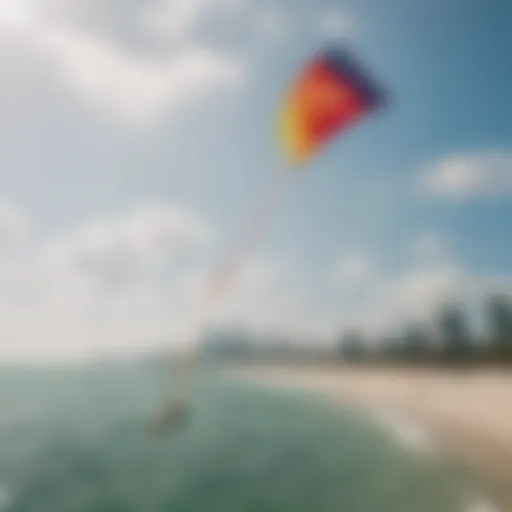
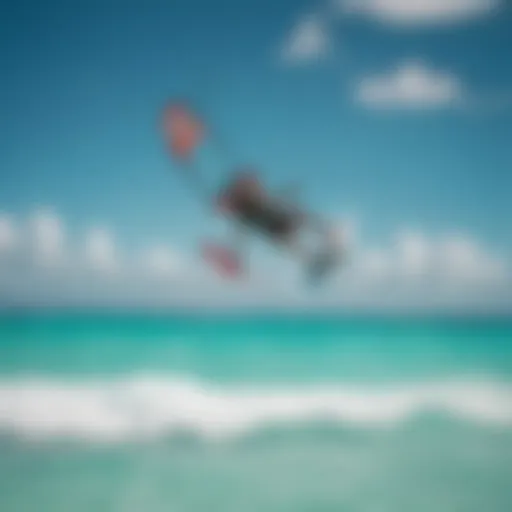
Kite surfing in San Francisco offers a distinctive blend of thrilling watersports and breathtaking scenery. With its legendary winds and charming coastline, this city serves as a mecca for both seasoned kiteboarders and budding enthusiasts. Whether one is gliding over the waves at Crissy Field or attempting to perform a trick at Ocean Beach, the lush backdrops provide an unparalleled experience. This article explores vital aspects of kite surfing in San Francisco, touching on key techniques, essential gear, and the community that makes kiteboarding here so appealing.
Techniques
Mastering kite surfing requires an understanding of both the art of kite control and the finesse needed to navigate the water. Below, let's break down some fundamental techniques pertinent to kite surfers of all skill levels.
Beginner Kiteboarding Techniques
For those just dipping their toes into kite surfing, starting with foundational techniques is crucial. Here's what newbies should focus on:
- Understanding Wind Patterns: Knowing the wind's behavior is the first step. The Bay Area often presents varying wind conditions, so beginners must learn to read these nuances.
- Body Dragging: Before jumping on a board, mastering body dragging is essential. This technique involves using the kite’s pull to propel yourself through the water without the board.
- Board Start: Once comfort with body dragging is achieved, the next step is the board start. Feet should be positioned correctly on the board, and the proper timing of the kite's pull is key.
- Steering the Kite: Operating the kite efficiently while maintaining balance on the board can be challenging. Practicing the pull and release motion while keeping an eye on the kite is vital.
Advanced Freestyle Maneuvers
Once the basics are under control, kite surfers can venture into more complex freestyle maneuvers. Some notable techniques include:
- Handle Pass: A popular trick where the kiteboarder passes the handle of the kite to the other hand during a jump. It’s essential to have a solid grasp of kite control for this.
- Backroll: This involves spinning the body backward while in the air and requires strong board control.
- Kiteloop: For adrenaline junkies, performing a kiteloop adds thrill. It consists of looping the kite while airborne to gain speed and height.
Gear Reviews
The right gear can transform your kite surfing experience, ensuring greater comfort and performance. This section will delve into some of the latest equipment, alongside necessary accessories.
Latest Kiteboarding Equipment
- Kites: Brands like Naish and North Kiteboarding offer some cutting-edge options. The Naish Pivot, for instance, is known for its versatility and responsiveness, making it suitable for various conditions.
- Boards: The Slingshot Misfit is praised for its stability and ability to handle choppy waters, which is a common sight in the San Francisco area.
"Investing in high-quality gear is not just about performance; it's also about safety and enjoyment on the water."
- Harnesses: Must-have for comfort and support. The Mystic Warrior harness is favored among riders for its excellent back support.
Essential Accessories for Kiteboarders
No kiteboarder should overlook essential accessories that can enhance the overall experience. Some key items include:
- Impact Vest: Protects the body during falls and bumps.
- Board Leash: Essential for keeping your board close in case of a wipeout.
- Safety Knife: A handy tool to have, just in case the lines get tangled.
For more detailed resources, consider visiting Wikipedia or forums on Reddit to connect with other kiteboarders and learn practical tips.
Prelims to Kite Surfing
Kite surfing represents not just a water sport but an exhilarating blend of surfing, paragliding, and windsurfing. Its appeal lies in the stunning aerial maneuvers, the thrill of gliding atop waves, and the effective use of wind for propulsion. For those living in or visiting San Francisco, the opportunity to engage in this activity is ripe and varied, with the city's unique geography and coastal winds contributing significantly to the sport's allure.
This section seeks to establish a foundational understanding of kite surfing and its evolution in the San Francisco area. It highlights key elements vital for both novices and seasoned surfers. By diving into the essence of the sport, readers gain an appreciation of the community and culture that surrounds it, as well as the technical skills essential for success.
Understanding the basics of kite surfing opens the door to its many benefits. Not only does the sport provide a rush of adrenaline, but it also fosters a sense of camaraderie among participants. People from diverse backgrounds come together to share experiences, techniques, and even safety insights, which enhances the overall kite surfing culture.
Various considerations are crucial for those looking to start. For example, knowledge of local weather patterns, access to appropriate gear, and awareness of safety protocols can significantly impact the riding experience. These factors pave the way for an enjoyable adventure, ensuring that kite surfing in San Francisco remains as engaging as the stunning views it offers.
Definition and Basics of Kite Surfing
At its core, kite surfing involves riding on a board while being harnessed to a large kite that catches the wind. Riders control the kite using a bar and lines, enabling them to steer and maneuver across the water or even perform aerial tricks. The basics cover a ranger of elements:
- Kite Design: Kites come in various shapes and sizes, each designed for specific wind conditions and styles of riding.
- Board Types: From twin-tips to directional boards, the choice of gear influences performance and rider preference, emphasizing different styles such as freestyle or wave riding.
- Harnesses: These are crucial for transferring the pull from the kite to the rider, allowing for more control.
Getting started often necessitates lessons from certified instructors, especially to master kite control and board riding. Learning initial techniques, like the launch and landing of the kite, becomes essential for safety and progression. Unlike traditional surfing, where you ride waves using the natural flow of the ocean, kite surfing relies heavily on wind dynamics, positioning, and technique.
The Rise of Kite Surfing in San Francisco
San Francisco has seen a significant uptick in kite surfing's popularity over the past two decades. The combination of steady winds, strong currents, and diverse water bodies makes the Bay Area a prime destination for enthusiasts. The city’s coastal environment, marked by scenic locations like Crissy Field and Ocean Beach, attracts both beginner and experienced riders.


Many factors have contributed to this increase:
- Community Engagement: Local clubs and organizations promote the sport through events, competitions, and group outings, bringing kite surfers together.
- Accessibility: With numerous launch sites and equipment rental shops, entering the sport has never been easier. Riders can find tailored solutions to suit their skill level, from beginner classes to advanced workshops.
- Digital Influence: Social media platforms showcase kite surfing culture, inspiring a new generation of riders who see the sport as not just physical but also a form of personal expression.
In summary, kite surfing has carved out a niche in San Francisco's culture and recreation scene, establishing itself as a favored pursuit for adventure seekers who appreciate its dynamism and beauty. Individuals engaging in this sport find joy not only in the act itself but in belonging to a vibrant community that thrives in this stunning coastal city.
"Kite surfing is not just about harnessing the wind; it's about capturing the spirit of adventure and freedom that the Bay Area embodies."
Key Locations for Kite Surfing in San Francisco
When it comes to kite surfing, the right location can make all the difference between an exhilarating day on the water and a less than ideal experience. In San Francisco, a city known for its stunning coastal beauty and windswept shores, kite surfers have found a playground that caters to both beginners and seasoned riders. This section dives into the best kite surfing spots around the Bay Area, each with its own unique characteristics that cater to different skill levels and preferences.
The importance of locating the perfect spot can’t be overstated. Factors like wind conditions, wave patterns, and local traffic can vastly change the experience one might have out on the water. Whether you're just starting or looking to sharpen your skills, understanding these varied locations allows surfers to maximize their enjoyment while also ensuring safety.
Crissy Field: A Popular Launch Site
Crissy Field is regarded as one of the premier kite surfing locations in San Francisco. Its proximity to the Golden Gate Bridge makes it not only picturesque but also a social hub for the kite surfing community. The steady winds here, usually coming in from the northwest, provide ideal conditions for both beginners and advanced riders.
For newcomers, the shallow waters off Crissy Field are forgiving, allowing for easier practice and smoother falls. The launches are generally wide and accommodating, reducing the risk of entanglement with other surfers or onlookers. There’s a vibrant atmosphere, often filled with the sounds of laughter and the sight of colorful kites dancing in the sky.
Here, facilities like restrooms and picnic areas add a layer of comfort, allowing surfers to make a day out of their visit. As weekends roll in, expect an array of kite surfers enjoying the waves. Just be mindful of the kite surfing etiquette: respect others in the water, and launch with caution to keep the area safe for everyone.
Ocean Beach: Strengths and Challenges
Ocean Beach presents a unique set of opportunities and challenges for kite surfers. Spanning several miles, this expansive beach allows for ample space to take off; however, its large waves and strong currents can be intimidating for those who aren’t well-prepared. The scenic backdrop of the Pacific Ocean might look inviting, but caution is key here.
The winds at Ocean Beach can be unpredictable, varying significantly depending on the tides and weather conditions. Experienced kite surfers love this for its potential for thrilling rides, but newcomers should take heed. It’s advisable to check local weather reports and possibly take a lesson or two before venturing out into these challenging conditions.
Additionally, this area is less crowded than Crissy Field, which some may prefer. Surfers often find that while the waves may be strong, the fewer number of participants in the water allows for a more personal experience. Just remember to stay alert and watch for sudden wind shifts, as they can impact your ride.
Treasure Island: Hidden Gem for Riders
Treasure Island, often overlooked in favor of more popular locations, offers kite surfers a quieter environment with fantastic wind conditions. Nestled in the middle of the Bay, this spot provides unobstructed winds, which are particularly consistent and reliable.
Though accessed through a winding route, the reward is well worth the effort. Many riders appreciate the sense of solitude that Treasure Island affords—there’s an intimacy to the experience that one doesn't find elsewhere. The flat water here is great for tricks, making it appealing for those looking to practice their skills.
One essential note is to come prepared; unlike the more frequented spots, amenities are limited. Bringing your own supplies, including water and snacks, is a good call. Also, keep an eye on the weather and remember to consult with locals, as they can offer valuable insights and tips about the best conditions tailored to your skill level.
In summation, the kite surfing spots in San Francisco offer something for everyone—whether it’s the bustling energy of Crissy Field, the powerful waves at Ocean Beach, or the serene waters of Treasure Island. Understanding the characteristics and nuances of each location enhances the overall experience, making each outing memorable.
Understanding Wind Conditions
When it comes to kite surfing, the winds are not just a background player–they're the main act in this aquatic performance. The Kiteboarders in San Francisco have come to understand that wind conditions are essential for a successful outing. Improper wind can lead to dangerous situations, turn enjoyable sessions into nightmares, or even spoil a well-planned day on the water. Therefore, grasping the intricacies of local winds can make a monumental difference in your riding experience. It’s about choosing the right day to unfurl that colorful kite!
Types of Winds Common in the Bay Area
The winds in the Bay Area have their own personality and quirks. Here are some of the primary types:
- Thermal Winds: These winds usually pick up in the late afternoon due to heating differences between land and sea. They are often reliable at spots like Crissy Field and are favored by many local kite surfers.
- Frontal Winds: Coming with a change in weather, frontal winds can be unpredictable. They might offer strong winds, but they can die down just as quickly. This requires keen attention to weather forecasts.
- North and Northwest Winds: These are dominant during summer months, providing clean conditions for kite surfing. Usually, they are steady, creating an ideal playground for both beginners and seasoned pros.
- East Winds: Less common, but sometimes they can surprise you. Usually bring gusty conditions that can be tricky to navigate, appropriate skill and technique are needed to tackle these winds.
Each wind type has its upsides and downsides. A day hailed as perfect for one rider could very well be someone else's headache. So, knowing when and how to harness these winds is pivotal.
Best Times of Year for Kite Surfing
Timing plays a crucial role when it comes to maximizing your kite surfing experience in San Francisco. The ideal seasons are:
- Spring (March to May): As temperatures begin to rise, thermal winds become more consistent, enticing riders to hit the water.
- Summer (June to August): This is high season. With predictable afternoon winds and plenty of sunshine, kiteboarding becomes a common sight by the waterfront.
- Fall (September to November): Similar to summer, but with fewer crowds and often spectacular weather, this season can provide some of the best kite surfing days.
- Winter (December to February): While some hearty surfers still embark on winter rides, conditions here can be less reliable. Interested kite surfers must be cautious as winter storms roll through the area, resulting in gusty winds.
The take-home message? Timing is essential. Align your plans with the right season to catch those sweet wind patterns and enjoy kite surfing to its fullest. Remember, knowledge of wind conditions is your ally!
"Wind is like a living thing; it has moods, shifts, and changes. The more you learn to read it, the better rider you’ll be."
With an understanding of the various wind types and ideal times to surf, kiteboarders can vastly improve their time on the water, ensuring each ride is memorable for the right reasons.

Essential Techniques for Kite Surfing
Mastering kite surfing goes beyond merely catching waves; it requires a solid grasp of essential techniques that can make or break the kiteboarding experience. Even seasoned riders continually refine their skills to adapt to changing conditions. These essential techniques not only enhance performance but also ensure safety on the water. Focusing on the right methods lets beginners enjoy a smoother ride while experienced riders can push their limits without jeopardizing their well-being. This section dives into the basics that every kite surfer should keep in their toolkit.
Basic Kite Control for Beginners
For those just getting their feet wet in the kite surfing world, control over the kite itself is paramount. This can be a daunting task at first, as a kite can feel unwieldy if you haven't quite found your footing yet. Beginners can start by practicing on land before hitting the water. Here are some crucial aspects to work on:
- Launching and Landing: Understand how to safely launch the kite overhead and land it on the ground. This involves managing lines and positioning your body effectively.
- Steering the Kite: Use the control bar to steer the kite, moving it either right or left in the wind window. Consider the power zone—where the kite generates most pull.
- Body Positioning: Keep your arms straight and lean back slightly. This will help balance the pull of the kite while maintaining an upright posture.
- Practice One-Handed Control: Familiarize yourself with flying the kite using one hand. This helps boost adaptability when switching from riding to controlling the kite.
Advanced Maneuvers for Experienced Riders
Once you've got the basics down pat, the ocean opens up a whole new world of advanced maneuvers. These tricks and techniques require not only skill but also a keen awareness of your surroundings and kite behavior. Here’s what experienced riders can focus on:
- Jumping: Propel yourself skyward by using the kite’s lift. Timing is crucial; pull on the backhand just as the kite reaches the top of the window.
- Transitions: Smoothly change direction without losing speed. Performing a transition while jumping showcases style and flow.
- Kiteloops: This is an advanced move where the kite is pulled in a circle as the rider spins through the air. It requires confidence and careful planning due to its high power.
- Surfing and Wave Riding: Combine kite control with surfing techniques to navigate waves effectively. Learn to read wave patterns and find the best spots to ride.
Safety Protocols to Follow
While kite surfing is exhilarating, it comes with its fair share of risks. Safety should be at the forefront of every rider's mind. Implementing safety protocols can prevent accidents and ensure a longer, more enjoyable experience. Consider the following guidelines:
- Pre-Surf Checks: Inspect equipment thoroughly, ensuring that lines and the kite are in good condition. A minor issue can lead to catastrophic failures.
- Weather Awareness: Stay informed about local weather conditions and potential hazards. Wind speed, tide changes, and storm warnings should never be taken lightly.
- Know Your Limits: Recognize when conditions are beyond your skill level. It’s okay to sit out if you're feeling wary or if the wind is too strong.
- Use a Safety Leash: This connects the kite to your harness, reducing the chance of losing control if you fall or get separated from the kite.
By adhering to these safety protocols, kite surfers can protect themselves and others, ensuring that the vibrant culture of kiteboarding in San Francisco continues to thrive.
For further resources on techniques and safety, consider visiting Wikipedia or Britannica.
Gear Selection for Kite Surfing
Choosing the right gear for kite surfing is nothing short of crucial. The gear you select can significantly impact your performance, safety, and overall enjoyment on the water. Understanding the essentials helps both novices and advanced riders navigate their choices with confidence. In this section, we will delve into the must-have equipment that goes hand-in-hand with making the most of your kite surfing adventures.
Essential Equipment: Kites and Boards
When it comes to the heart of kite surfing — the kite itself and the board — the options can feel endless.
Kites are available in a range of shapes, sizes, and designs, each suited for specific wind conditions and rider preferences. You typically find three main types:
- Inflatable Kites: These are the most commonly used kites. They provide stability and are relatively easy to control, making them ideal for beginners.
- Foil Kites: Excellent for low-wind conditions, these kites generate lift without the need for a rigid frame. They can be a bit trickier to handle, often appealing to more experienced riders.
- Racing Kites: Designed for speed, racing kites are engineered for performance. They tend to be larger and require skilled handling.
Each kite will have its own wind range, and understanding this is key to ensuring you pick one that matches your skill level and the conditions of San Francisco's tumultuous waters.
As for boards, they come in various styles, including twin-tips and directional boards:
- Twin-Tip Boards: These are symmetrical, allowing riders to switch directions without needing to change stance. Perfect for tricks and versatility.
- Directional Boards: More akin to surfboards, these are often used in waves. They have a unique feel and require different techniques.
Finding the right combination of kite and board can seem like finding a needle in a haystack, but once you get the hang of preferences and styles, it becomes clearer. As a rule of thumb, make sure to factor in your weight and skill level when selecting. Also, keep an eye on your budget — quality matters but doesn’t always mean breaking the bank.
Harnesses and Safety Gear: What You Need
Safety first — that mantra rings true, especially in sports like kite surfing. Your choice of harness and other safety gear can save you from potential mishaps out on the water.
A harness serves as the connection between you and the kite, allowing for better control and reduced physical strain. Here are the main types:
- Waist Harnesses: These sit around your waist, offering good mobility. They’re popular among freestyle riders for their flexibility and comfort.
- Seat Harnesses: This style wraps around your hips and legs, providing a more stable base. It’s often recommended for beginners, as it helps with balance and support.
Besides the harness, don’t skimp on safety gear. Essential items include:
- Safety Leash: This connects you to the kite. If you get separated, it helps prevent the kite from flying away.
- Impact Vest: A vest can protect against falls and impact with the water, especially in rough conditions.
- Helmet: Helmets can be important in protecting against head injury.
"Being prepared can turn a thrilling session into a safe one, so don't take it for granted."
In addition to the above, investing in a wetsuit is wise given the notoriously chilly waters of San Francisco. Wetsuits not only help keep you warm but also provide some buoyancy and protection from abrasions.


Understanding gear selection is more than just checking off boxes; it's about finding a harmony between comfort, performance, and safety, all of which prepare you for enjoying those thrilling kite surfing moments above the waters. With the right equipment, you'll be set for whatever the elements throw your way in San Francisco.
Cultural Aspects of Kite Surfing in San Francisco
Kite surfing in San Francisco is more than just a thrilling water sport; it's a vibrant social scene and a unique cultural expression. Engaging in this activity opens doors to a diverse community, fostering connections among enthusiasts and beginners alike. The rich tapestry of kite surfing culture here adds layers of meaning to the exhilarating experience on the water.
Community and Local Clubs
The kite surfing community in San Francisco is founded on camaraderie and passion. Local clubs, such as the Bay Area Kiteboarding Association, serve as hubs for riders. These not-for-profit organizations often offer coaching sessions, organized group outings, and workshops for skill development. You can attend regular meet-ups and share valuable experiences with fellow kite surfers, making introductions that can last a lifetime.
One might also stumble upon informal gatherings at popular kite surfing spots like Crissy Field, where seasoned riders take the time to mentor newcomers. The shared excitement of a successful launch and the collective gasp during a breathtaking trick create bonds that transcend mere acquaintanceship.
Additionally, social media platforms, primarily Facebook groups and dedicated Reddit communities, allow kite surfers to share tips, advice, and plans for upcoming sessions. This exchange of knowledge further reinforces the sense of belonging among riders who share a passion for the wind and waves.
Events and Competitions to Explore
The kite surfing culture in San Francisco is punctuated by events and competitions that not only showcase talent but also promote environmental awareness. Annual gatherings, such as the San Francisco Kite Surfing Festival, attract participants from various skill levels. Here, riders gather to compete while celebrating the beauty of the Bay Area, often including in their agenda educational talks about ocean conservation and sustainability in kite surfing.
- Key Events:
- San Francisco Kite Surfing Festival
- Bay Area Waterman Challenge
Competing doesn't just get the adrenaline pumping; it's also a chance to observe the innovation in techniques and gear that different riders bring to the table. The fierce yet friendly competition encourages continuous learning and personal growth within the sport.
"Kite surfing isn't just about the thrill; it's about community, tradition, and pushing each other to new heights."
- A local kite surfer
Moreover, while competing, participants can engage with local vendors showcasing the latest in kite technology and accessories. This interaction is an opportunity to delve deeper into gear that fits personal styles and preferences, making these events a vital part of the kite surfing landscape.
In summary, the cultural aspects of kite surfing in San Francisco highlight the importance of community and shared experiences. Through clubs, events, and competitions, riders find a sense of connection and belonging, all while enjoying the stunning backdrop of the city and its windswept landscapes.
Environmental Considerations
Understanding the environmental impact of kite surfing in San Francisco is crucial not just for enthusiasts, but also for the health of the local ecosystem. As kite boarders ride the waves and sails soar against the breeze, it’s easy to overlook how this exhilarating sport interacts with wildlife and natural habitats.
The Bay Area is home to an array of wildlife, including various bird species, marine life and even some endangered animals. Consideration of their habitat is essential as kite surfers traverse the waters, which can inadvertently disrupt their routines. The impact can range from birds being startled by sudden movement, to more serious effects like altering nesting grounds for some shorebirds.
Impact of Kite Surfing on Local Wildlife
When you’re out at sea, it might not even cross your mind that your presence could be felt far beyond your board. Kite surfing poses a risk to local wildlife, particularly birds that are often seen around popular surf spots. For instance, species like the Western Snowy Plover, which nests along sandy beaches, are particularly sensitive to disturbances.
Furthermore, the splash and noise created can lead to stress among marine mammals. If you’re keen on kiting near Crissy Field or Ocean Beach, it’s wise to maintain a respectful distance from nesting areas and to be mindful of your surroundings. Keeping an eye on local advisories regarding wildlife can also inform surfers about sensitive times to remain off certain local spots.
Sustainable Practices for Riders
The responsibility of keeping our kite surfing spots pristine falls on every rider. Here are some sustainable practices that can greatly benefit both the environment and the kite surfing community:
- Minimize Waste: Bring reusable items, like water bottles, rather than single-use plastics. Pack out what you pack in.
- Respect Wildlife: Steer clear of nesting areas and avoid disturbing wildlife, particularly during critical periods.
- Choose Eco-Friendly Gear: Look for brands that focus on sustainable manufacturing processes and materials. Equipment companies increasingly recognize their role in protecting the environment.
- Participate in Clean-ups: Join local beach cleanup initiatives or organize your own. Even small efforts can have a significant impact.
- Educate Others: Share your learnings with fellow riders. The more people understand the impact of our sport, the more likely they are to adopt sustainable practices.
"We're not just riding waves, we’re riding alongside nature. Let’s ensure our playground remains vibrant for generations to come."
Embracing these practices not only fosters a sense of responsibility but can also enhance everyone's experience by ensuring the beauty of San Francisco's waters remains intact. By being conscious of our footprint, we can enjoy kite surfing while preserving the vibrant ecosystem that provides the backdrop for our thrill-seeking adventures.
The End
The exploration of kite surfing in San Francisco sheds light on not only the exhilarating sport itself but also the vibrant culture and community that surrounds it. As this article has illustrated, kite surfing offers an array of experiences that cater to all skill levels—from novice enthusiasts to seasoned pros. Understanding the locations, techniques, gear, and the local ethos makes engaging in this sun-soaked sport an enriching endeavor.
Recap of Key Insights
Here’s a closer look at what we’ve covered:
- Key Locations: Crissy Field, Ocean Beach, and Treasure Island offer unique conditions and characteristics. Each location is like a different chapter in the kite surfing narrative, showcasing varying challenges and scenery.
- Techniques: We discussed basic kite control for beginners, advanced maneuvers for the adept riders, and essential safety protocols that every participant should adhere to. Mastering these techniques not only enhances performance but also promotes safe practices in the water.
- Gear Selection: The choice of kites, boards, and harnesses plays a pivotal role in the kite surfing experience. Knowing what gear is essential, and ensuring it meets your personal style and needs, is fundamental.
- Cultural Aspects: The local kite surfing community in San Francisco enriches the sport. Social events and competitions bolstered by a kinship with fellow kite surfers brings a sense of belonging.
- Environmental Considerations: Understanding the impact of kite surfing on local wildlife and promoting sustainable practices is vital for preserving the beauty of these natural locations.
Future of Kite Surfing in San Francisco
As we look to the horizon, the future of kite surfing in San Francisco seems promising. Ongoing engagements in environmental stewardship will likely shape the sport’s trajectory. Community organizations are increasingly advocating for sustainable practices to protect both the natural habitat and the enjoyment of the sport. New technologies in equipment design may enhance safety and performance, allowing for even more exhilarating experiences on the water.
Furthermore, kite surf tourism could blossom with increased attention on San Francisco as a global kite surfing hotspot. With ongoing advancements and increased awareness, kite surfing in these iconic waters offers not just a pastime but also a lifestyle that intertwines thrill-seekers with the environment. The enthusiasm surrounding this sport is likely to draw in new participants, ensuring the legacy of kite surfing in San Francisco endures for years to come.