Discovering the Thrills of Kite Surfing in Southern California


Intro
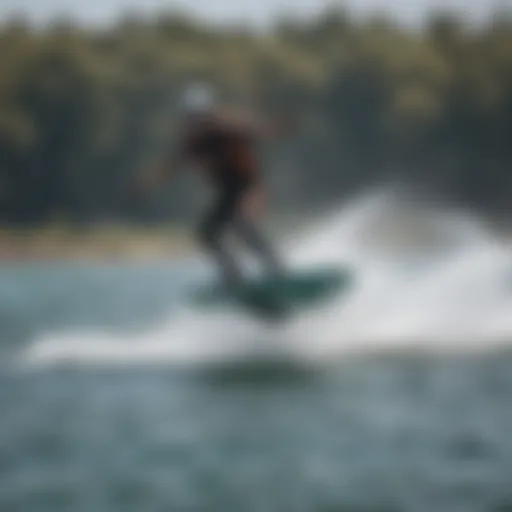
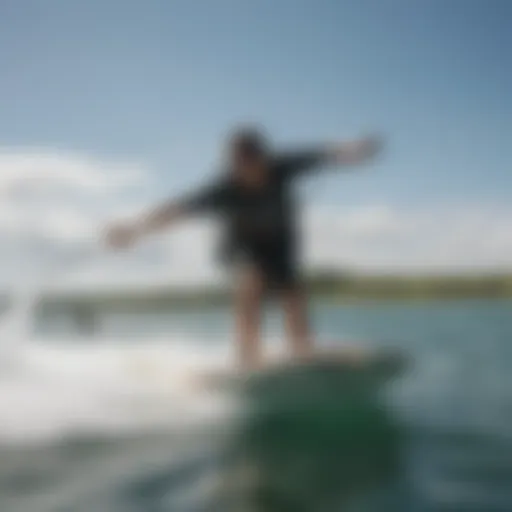
Kite surfing, an exhilarating blend of wind, water, and skill, has carved a niche for itself along the sun-drenched shores of Southern California. The region is famed for its ideal kite-surfing conditions, with a wide variety of beaches, winds, and waves that attract enthusiasts from around the globe. Whether you’re just starting your kiteboarding journey or you're a seasoned pro looking to refine your aerial tricks, this guide serves as a treasure trove of insights into every aspect of this dynamic sport.
Southern California’s coastline offers a playground that's as diverse as it is breathtaking. From the iconic beaches of Malibu to the consistent winds of the San Diego coastline, each location brings something unique to the table. Kite surfing here is more than just a sport; it’s a reflection of a vibrant community bound by passion, determination, and a shared love for the ocean.
As we dive deeper into the world of kite surfing in this region, we’ll explore essential techniques for novice and experienced surfers alike, break down the latest gear on the market, and review some of the best locations to catch your next wave. This article is curated to empower both new kite surfers seeking to catch the wind for the first time and veterans ready to tackle advanced maneuvers.
The goal here is not just to inform but to cultivate a greater respect for the sport and the responsibility it entails. Safe kite surfing practices are paramount, and we will touch on critical safety measures that all surfers should adhere to. Let’s take a closer look into this exhilarating sport and everything it encompasses.
Preface to Kite Surfing in Southern California
Kite surfing has carved its niche in the dynamic coastline of Southern California, blending adrenaline with breathtaking natural beauty. The sport draws enthusiasts not just for the thrill but also for the lifestyle that accompanies it—a vibrant community, stunning sunsets, and the endless pursuit of the perfect wave. Understanding the allure of kite surfing in this region is essential, as it serves as both a practical skill and a cultural phenomenon that fosters connections among individuals who share a passion for adventure on the water.
The Appeal of Southern California
Southern California's beach culture is like no other. From the golden sands of Santa Monica to the windswept shores of La Jolla, kitesurfers find a playground that offers variety in waves, winds, and scenery. The climate here is generally mild and sunny, allowing enthusiasts to enjoy their sport nearly year-round. Moreover, the coastal geographies create unique wind patterns and conditions that cater to both beginners and seasoned surfers.
- Diverse Conditions: Different beaches offer varying wind intensities and wave conditions, making it easy for all skill levels to find suitable spots.
- Vibrant Community: The local scene is filled with meet-ups, tours, and competitions that foster camaraderie and skill development.
- Beautiful Landscapes: Each kite surfing session can merge personal achievement with stunning vistas, from palm-tree-lined beaches to cliffs along the coast.
It's no surprise that you’ll often hear the sound of kites flapping in the wind, accompanied by the laughter and shouts of kite surfers reveling in their craft.
Historical Context of Kite Surfing in the Region
The roots of kite surfing in Southern California trace back to the late 1990s when the sport began to gain prominence. Early adopters were often wave riders and wind surfers who sought new thrills and were intrigued by the kites’ potential. With a unique blend of disciplines, kite surfing became a meeting point for various water sports enthusiasts, sparking a community from its very inception.
Over the years, the sport evolved alongside advancements in technology, leading to new equipment designs and safety standards that influenced its growth and accessibility.
- Impact of Local Pioneers: Local athletes played a crucial role in popularizing kite surfing through competitions and exhibitions, showcasing the sport’s potential to a wider audience.
- Technological Innovations: Innovations in kite and board design have reshaped the way the sport is practiced, leading to improved safety and performance.
- Cultural Acceptance: While initially met with skepticism, kite surfing has since been embraced as an integral part of Southern California’s aquatic culture, contributing to tourism and local economies.
Essential Techniques for Kite Surfing
Kite surfing is not just about harnessing the wind; it’s about mastering a skill set that allows for a thrilling ride while ensuring safety and control. Understanding the essential techniques is crucial for both beginners and seasoned surfers looking to refine their abilities. Each technique serves as a building block to become an adept kite surfer, empowering individuals to navigate diverse conditions found along the Southern California coast.
Understanding Wind Patterns
Before you hit the waves, grasping the wind patterns is important.
Why are wind patterns crucial?
With Southern California’s coastline receiving various wind conditions, knowing how to read them can make or break your experience. The region typically has a mix of thermal and coastal winds, influenced by geographical features. Thermal winds occur when the sun heats the land faster than the water, creating a breeze that can be great for kite surfing. Meanwhile, coastal winds are more constant and can vary from location to location.
- Locating Wind Source
- Understanding Wind Speed & Direction
- Adjusting Your Kite
- Kiting spots along the coast often have symbols like flags or windsocks. These are key indicators of wind strength and direction. Also, look for trees or flags nearby—their movement can tell you a lot about what’s happening in the air.
- Ideal wind speeds hover around 12 to 25 knots for many kite surfers. Anything below risks your session, and anything above can become dangerous for beginners. Always take a moment to analyze!
- As wind conditions shift, so should your kite. Learning to adjust the size and the angle of your kite allows you to maintain proper control, enhancing your overall kite surfing experience.


"Getting the wind right translates to a smoother session and fewer mishaps on the water."
Mastering Speed and Control
Once you’re comfortable with wind patterns, the next step is mastering the balance of speed and control. The relationship between these two elements is what ultimately dictates how thrilling or safe your ride will be.
- Harnessing Acceleration
- Maintaining Stability
- Utilizing the Edge
- Speed comes from both the power of your kite and some technique with your board. When you hook into a wave, you want to lean into it while keeping your kite slightly above you. This positioning catches wind while helping you maintain a steady speed.
- By shifting your weight appropriately, you can balance at high speeds while controlling your kite. Bend your knees slightly and maintain your body position low to the board, keeping your center of gravity stable as you carve through the water.
- Edging your board against the water helps you maintain speed while controlling your direction. Engaging your heels against the surf will allow the board to grip, preventing you from losing traction, particularly in choppy water conditions.
Advanced Maneuvers and Tricks
For those who’ve got the basics nailed down, diving into advanced maneuvers opens the door to creativity and excitement. These tricks enhance your skill set while also providing a sense of accomplishment.
- Jumping Techniques
- Turns and Spins
- New Tricks
- A well-executed jump can elevate your kiting experience. To initiate, create power by pulling on the back line of your kite just before you push off the water. Keep your knees tucked and your body compact to maintain control during the flight.
- Mastering turns depends on timing your kite’s position and shifting your weight effectively. Begin by leaning into the direction of the turn while adjusting the angle of your kite downward to gain speed and complete the maneuver smoothly.
- As you grow more confident, challenge yourself with new tricks like the handle pass. It requires precision and practice, but the sense of achievement is unmatched.
Mastering these essential techniques does require time and practice, yet they offer a strong foundation for the exhilarating adventures waiting in the waters of Southern California. Embrace the learning journey and remember to respect the elements as you glide over waves with the wind as your guide.
Gear and Equipment for Kite Surfing
Kite surfing is not just about slicing through the waves with a board beneath your feet. The right gear plays an essential role in transforming an exhilarating experience into a safe adventure. Selecting the appropriate equipment is vital for performance and safety, helping both novice and seasoned surfers navigate the diverse conditions unique to Southern California. As the wind picks up and the ocean churns, having the right pieces can truly make a difference between a joyous ride and a rough tumble.
Choosing the Right Kite
When it comes to kite surfing, the kite is the heart of your setup. A well-suited kite enhances your performance, providing lift and control suited to your skill level and the location. Different kites cater to varying wind conditions and surfing styles, thus selecting the right one is paramount. Here are some considerations:
- Types of Kites
- Leisure Kites: Perfect for gentler winds, these are great for beginners.
- Speed Kites: Designed for high-speed action, ideal for advanced surfers looking for thrill.
- Hybrid Kites: These balance between performance and stability, making them versatile for various conditions.
- Size Matters: Kites come in an array of sizes. A larger kite generates more power, suitable for lighter winds, while smaller kites excel in stronger winds.
- Material Quality: Look for kites made from durable materials like rip-stop nylon, ensuring longevity against wear and tear, especially if you frequent rough spots.
Finding a kite that feels right in your hands takes practice. Often, testers or instructors at local shops can help you narrow down the options. Reading reviews on dedicated platforms like Reddit can also provide valuable insights from fellow enthusiasts.
Selecting a Suitable Board
The board is your connection to the water. Choosing the appropriate board directly impacts your comfort and performance on the water. Here's what to look into:
- Board Types:
- Directional Boards: For those comfortable with surf-style riding, offering stability and control when traversing waves.
- Twin-Tip Boards: Great for beginners and advanced riders who enjoy jumping and freestyle tricks; they can be ridden either way.
- Dimensions: Consider the length and width based on your weight and skill. Long boards assist in easier rides on choppy waters, while shorter boards can provide more agility.
- Flexibility: Softer boards offer more comfort on rough surfaces, while stiffer boards enhance speed and control on smoother waters.


It's suggested to check out local shops or even rent boards before making a purchase. Often, talking with experienced kite surfers can provide personal recommendations.
Safety Gear and Accessories
While the thrill of kite surfing an open expanse of ocean and wind is captivating, safety should never be sidelined. Equip yourself with the proper safety gear to enjoy your time on the water without injury. Consider the following accessories:
- Harnesses: A well-fitted harness distributes the load from the kite across your body, crucial for comfort and ease during long sessions.
- Helmets: A necessity for advanced maneuvers or surfing in crowded spots, helmets protect against unexpected falls or collisions.
- Impact Vests: These provide protection from falls and can sometimes integrate flotation assistance, which is beneficial in rough waters.
- Footwear: Consider wearing specialized kiteboarding boots or hydro socks, as they provide better grip and comfort, reducing the risk of slipping off the board.
- Waist Harness: More suitable for freestyle tricks, offering more mobility.
- Seat Harness: Ideal for beginners, offering added back support.
Ensuring you have the right safety gear not only enhances your enjoyment but can significantly reduce the chance of serious injuries, allowing you to focus on mastering your skills rather than worrying about accidents.
In the vast sea of kite surfing gear, making informed choices can pave the way for a truly rewarding experience when navigating the beautiful coastlines of Southern California. With a diverse range of equipment available, take the time to do your research and chat with experts, ensuring you find the right tools to make the most of your kite surfing journey.
Top Locations for Kite Surfing in Southern California
The allure of kite surfing in Southern California is largely attributed to its diverse and optimal locations for riders of all skill levels. Choosing the right spot can make or break your experience; hence, understanding these prime locations is fundamental to your journey in this thrilling sport.
Prime considerations include wind consistency, wave size, and prevailing weather conditions. Each spot serves its unique purpose, catering to both newcomers and seasoned riders alike. Whether you’re just starting or you’re an old hand at this sport, the locations discussed below will help elevate your kite surfing game.
Best Spots for Beginners
For novices, safety and learning opportunities are paramount. Here are the top picks that encapsulate these factors:
- Kite Beach in Santa Monica: A haven for beginners, this beach provides a gentle launch area alongside steady winds. Pro instructors can often be found here, offering lessons and guidance. The beach’s wide expanse makes it easy to navigate, reducing the chances of accidents.
- La Jolla Shores: With shallow waters and moderate wave action, La Jolla Shores is an excellent training ground. The beach environment facilitates a relaxed atmosphere conducive for newcomers learning the ropes.
- Pismo Beach: This location offers wide sandy areas and typically moderate winds. The beach vibe is inviting, filled with fellow learners and veterans eager to share tips and tricks.
These places not only provide physical space for learning but also cultivate a welcoming community, making it easier for newcomers to ease into the sport.
Advanced Locations and Challenges
As skills grow, kite surfers yearn for challenges that push their limits. Here are advanced locations that satisfy that craving:
- Windsurfing Beach in Cabrillo: This area is renowned for its challenging winds and stronger currents, making it a niche for advanced riders. Jumping and trick performance are common sights here, as experienced kite surfers take full advantage of the powerful conditions.
- The Wedge, Newport Beach: Famous for its big waves, The Wedge brings a different flavor of adrenaline. This spot is for those who seek the thrill of big surf and strong winds. Here, a kite surfer can elevate their skills to perform complex moves in a majestic setting.
- Oceanside Harbor: It’s known for its consistent chop and challenging waves. This is a place where advanced kite boarders can truly test their prowess with higher speeds and bigger jumps.
Seasonal Variations and Tips
Understanding seasonal patterns can greatly influence your kite surfing experience. Here are some essential insights:
- Optimal months: The wind conditions shift throughout the year, but generally, the spring and summer months dominate for kite surfing. Typical wind speeds range from 15 to 25 knots during these periods, offering ideal conditions.
- Fall months: Offer steadier winds but can sometimes be gusty, making them unpredictable. On the other hand, this season sees fewer crowds, allowing for a more relaxed experience.
- Safety Considerations: Always check the local weather reports and wind conditions before heading out. Conditions can change rapidly, and being caught unprepared can lead to dangerous situations.
- Gear Adjustment: Depending on seasonal weather, consider adjusting your gear. A lighter kite may perform better in spring, while something sturdier might be needed for the gusts of fall. For the best tips on gear adjustment, consult resources from American Kiteboarding Association (aka.kiteboarding.org) or your local kiteboarding store.
Remember, each location offers unique experiences shaped by its environment. The more familiar you become with these areas, the more you can tailor your kite surfing adventures to suit your growing skills.
The Kite Surfing Community in Southern California
The vibrant kite surfing community in Southern California stands out as a crucial part of the sport's allure in this coastal haven. It’s not just about the wind and waves; it’s the people that truly make kite surfing a rich and engaging experience. From camaraderie among novices to friendships with seasoned veterans, the kite surfing scene here is infused with a spirit of shared passion and continuous learning.
Kiteboarding Schools and Instructors
Kiteboarding schools provide an invaluable resource for both beginners and advanced riders. With Southern California boasting a range of instructional options, individuals can easily find a course that fits their skill level. Schools such as Kiteboarding School of San Diego and Californian Kite School specialize in tailored lessons, ensuring that every student learns at their own pace while receiving expert guidance. Instructors, many of whom are both certified and experienced, often come from different backgrounds, enriching the learning environment with diverse perspectives.


When selecting a school, it is good to look for:
- Accreditation and Certifications: Check if the instructors are certified by recognized bodies like IKO or PASA.
- Personalized Instruction: Schools that offer small class sizes often result in more individualized attention.
- Safety Protocols: Reputable schools prioritize safety, employing the latest equipment and practices to ensure a secure learning environment.
Events and Competitions in the Area
The event calendar in Southern California is packed with competitions that attract kiteboarders from all over. Events like the Los Angeles Kiteboarding Festival and the San Francisco Kite Surfing Cup not only showcase local talent but also create a platform for kiteboarders to connect and compete. These gatherings often include workshops, demos, and social events that promote community spirit within the sport.
- Competition Levels: Events are usually divided into categories, catering to various skill levels, from amateurs eager to try their hand to seasoned pros showcasing their skills.
- Sponsorship Opportunities: Local businesses often sponsor these events, which can lead to potential partnerships for kiteboarders looking to establish themselves in the sport.
"In kiteboarding, it’s not just about the ride; it’s about the community that makes every gust of wind worth it."
Building Connections and Networking
Networking within the kite surfing community can be beneficial for both personal and professional growth. The laid-back atmosphere at beaches like Trestles or Pismo Beach fosters informal meetups where experienced kite surfers share tips and tricks with newcomers. Additionally, social media groups, such as those found on Facebook and Reddit, create virtual spaces for enthusiasts to connect and share their experiences.
Engagement doesn’t have to stop at the beach; participating in local workshops and attending informational events can help individuals integrate deeper into the kite surfing community. Some key points to consider:
- Join Local Clubs: Becoming a member of clubs dedicated to kite surfing can open doors to new friendships and opportunities.
- Stay Informed: Following local influenceurs or community pages can keep you updated on events and best practices.
- Share Your Journey: Documenting your experiences and sharing them online can inspire others while solidifying your presence in the community.
In essence, the kite surfing community in Southern California is not merely a group of participants; it’s an intricate network that celebrates the sport while promoting responsible riding practices, mentorship, and social engagement. This communal vibe enhances the kite surfing experience, making it much more than just a sport.
Environmental Considerations for a Sustainable Practice
Kite surfing, while exhilarating, holds the potential to impact the environment significantly. As enthusiasts of this sport, it’s paramount to focus on sustainable practices that safeguard our natural surroundings. With the pristine beaches and coastal ecosystems of Southern California at stake, being mindful is not just an option, but a responsibility.
Minimizing Impact on Local Wildlife
Kite surfers frequently glide over diverse marine zones, some of which are home to various species, including endangered ones. Awareness of local wildlife is key to reducing disturbances. For instance, many coastal areas serve as breeding grounds for birds. By steering clear of these zones when nesting is in season, kite surfers can help safeguard these vulnerable populations. Simple practices such as:
- Sticking to designated kite surfing zones
- Avoiding flight paths that intersect with wildlife habitats
- Being vigilant in spotting wildlife while on the water can significantly lessen the human footprint. Engaging in kite surfing during less sensitive times for wildlife helps to preserve these fragile ecosystems.
Promoting Clean and Safe Waterways
Maintaining clean oceans should be a cornerstone of our kite surfing adventures. Polluted waterways harm marine life and can negatively affect kite surfers’ health and enjoyment. Promoting clean and safe waterways involves:
- Participating in local clean-up efforts: Join or organize campaigns dedicated to removing trash from beaches and surrounding areas. This keeps our recreational areas enjoyable and protects marine ecosystems.
- Proper disposal of gear and waste: Always ensure that used equipment is disposed of responsibly. Check local guidelines for disposing of materials like plastics or damaged kites.
- Advocating for environmental protection policies: Educating fellow surfers and the larger community about the importance of keeping our oceans clean reinforces a culture of responsibility.
"If we do not step up to protect our playground, we may lose it for good."
For more information about best practices, you can check resources from the California Coastal Commission and National Oceanic and Atmospheric Administration.
Finale
In summation, the exploration of kite surfing in Southern California brings to light its vibrant culture, thrilling experiences, and the myriad of opportunities available to enthusiasts of all levels. Through this article, we've ventured into the appeal of the region's winds and waves, the essential techniques required for success, and the specialized equipment that ensures safety and enjoyment on the water. This convergence of rich history and contemporary advancements highlights that kite surfing is not merely a sport but a significant lifestyle for many.
The Future of Kite Surfing in Southern California
As we look ahead, the future of kite surfing in Southern California appears both promising and dynamic. The increasing interest in water sports, combined with advancements in technology and gear, could result in more riders hitting the waves. With community events and competitions expected to expand, there’s a chance for novice surfers to immerse themselves in a supportive network and learn from seasoned professionals.
Moreover, awareness regarding environmental stewardship is on the rise. Surf schools and clubs are recognizing their roles in safeguarding local ecosystems, promoting practices that protect marine habitats while they indulge in their passion. This growing commitment to sustainability not only preserves the breathtaking natural beauty of Southern California but also ensures that future generations can enjoy the thrill of kite surfing.
In light of these developments, kite surfers are encouraged to embrace responsible practices while hitting the water. Whether it’s keeping an eye out for wildlife or ensuring that popular kite spots remain pristine, each of us has a part to play. As the scene continues to evolve, understanding these responsibilities becomes integral to maintaining the sport's vitality and appeal.
Ultimately, kite surfing in Southern California embodies a spirit of adventure that captivates many. By merging skills, community, and a deep love for nature, surfers are not just riding the winds but also riding the wave of change that looks toward both innovation and preservation. The winds of tomorrow carry the promise of new heights and experiences, and as they pick up speed, so will the passion of those who dare to harness them.