Kitesurfing Adventures Across Portugal's Coastline

Intro
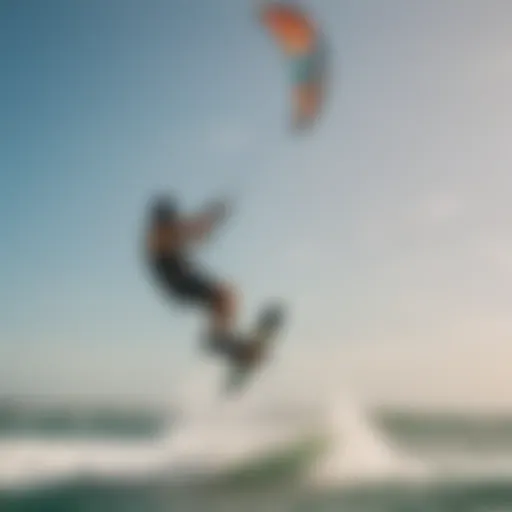
Kitesurfing in Portugal is not just a sport; it’s a way of life for many. With its stunning landscapes, diverse wind patterns, and a culture that embraces adventure, the country has become a magnetic hub for kitesurfers from all corners of the world. Whether you're a novice eager to ride your first wave or a seasoned expert aiming to catch the biggest air, Portugal has something to offer.
The vast coastline, dotted with a mix of sandy beaches and rocky cliffs, provides a backdrop that adds to the thrill of the sport. Legendary locations like the lagoons of Alvor, the windswept shores of Guincho, and the azure waters of Praia do Amado all contribute to why this region is a prime kitesurfing destination. There's no shortage of spots, each with unique characteristics influenced by local winds and tides. This article will thoroughly explore these locations, the essential gear needed, and the cultural essence of kitesurfing that has taken root here.
Whether you're looking to hone your skills, find the right equipment, or simply appreciate the atmosphere surrounding this exhilarating sport, this guide will equip you with the information needed to navigate the vibrant world of kitesurfing in Portugal.
Preamble to Kitesurfing in Portugal
Kitesurfing has carved out a vibrant niche within the water sports community, and Portugal stands as a beacon for enthusiasts drawn to its picturesque coastal landscapes. The dynamic interplay of wind and waves here offers conditions that can make even the most seasoned rider's heart skip a beat. More than just a sport, kitesurfing in Portugal represents a lifestyle steeped in adventure, camaraderie, and a profound respect for nature.
There are several elements that make this sport particularly compelling in Portugal. Firstly, the geographical diversity of the coastline caters to various skill levels, from beginners who need calm waters to advanced riders searching for thrilling waves. The northern region of Portugal, with its rugged cliffs and consistent wind patterns, presents a challenge that attracts experienced riders, while areas like the Algarve offer serene flat water, ideal for those just starting out.
In addition to the variety of locations, the cultural landscape plays a pivotal role. Kitesurfing is not merely a solitary endeavor here; it’s an opportunity to engage with a community of likeminded individuals. The festivals, competitions, and local events contribute to a lively atmosphere that enhances the overall experience for kitesurfers.
As we explore this guide, we will delve into the specific regions that have become hotspots for kitesurfers. Understanding local wind patterns, topography, and cultural significance can significantly enhance a rider's experience, making it imperative to gather as much insight as possible. After all, knowledge is power when it comes to navigating the sometimes unpredictable ocean.
In terms of benefits, immersing oneself in kitesurfing in Portugal allows for personal growth and physical improvement, providing a unique blend of fitness and fun. The physical demands of kitesurfing encourage not just a heightened sense of balance and coordination, but also foster an overall sense of well-being.
"Kitesurfing is not just about riding the waves; it’s about connecting with the wind, water, and community."
Ethical considerations regarding safety and environmental responsibility will also be touched upon, as it is vital for today’s riders to embrace sustainable practices. Awareness and respect for the marine ecosystem should underpin every kitesurfer's commitment to the sport.
In summary, the realm of kitesurfing in Portugal extends beyond just mastering the skills. It encompasses environmental awareness, community building, and cultural engagement, elevating it from a mere pastime to a profound experience. Whether you're on the water or cheering from the beach, the thrill of kitesurfing in this coastal paradise is undeniably infectious.
Geographical Overview of Portuguese Coastline
The coastline of Portugal is not just a picturesque backdrop; it plays a crucial role in shaping the kitesurfing culture and experience in the country. Spanning over 1,700 kilometers, the Portuguese coastline is characterized by diverse geographical features, from rugged cliffs and sandy beaches to estuaries and open sea, ideal for kitesurfing at varying skill levels. Understanding this geographical tapestry is essential for anyone looking to dive into the sport, as it directly influences wind conditions, wave patterns, and overall safety.
Topography and Climate Factors
The topography of Portugal offers a mosaic of environments highly suitable for kitesurfing. Along the Atlantic coast, the Algarve region charms riders with its sunny days and calm waters while the Cascais and Ericeira areas are known for their captivating cliffs and dynamic surf spots. The coastline is dotted with both small coves and larger, expansive beaches that cater to different rider preferences.
The climate also plays a pivotal role in kitesurfing. Portugal enjoys a Mediterranean climate, characterized by dry summers and mild winters. This means that from late spring to early autumn, conditions are typically favorable for kitesurfers. Coastal winds come predominantly from the northwest and can reach gusty speeds, particularly from May to September. However, potential riders must factor in local microclimates, which can cause unexpected shifts in weather and wind patterns.
For instance, the windy season in Lisbon often brings more consistent breezes, while the Algarve's summer may go through phases of lighter wind, particularly in the mornings.
Popular Wind Patterns
Wind patterns are the lifeblood of kitesurfing, dictating not just when but where enthusiasts choose to ride. In Portugal, two major patterns dominate the scene: the Nortada and the Levante.
- Nortada: A northwest wind that typically develops in the summer, the Nortada can blow consistently, creating ideal conditions for kitesurfing in areas like Cascais and the Lisbon coast. It’s characterized by a steady flow and can reach wind speeds of 15 to 30 knots, making it perfect for both beginners and experienced riders alike.
- Levante: Originating from the east, this wind is common during the spring and autumn months. It’s not as consistent or predictable as the Nortada but can offer thrilling riding opportunities along the windy beaches of the Algarve.
Understanding these wind patterns allows kitesurfers to plan their trips effectively; knowing when and where the winds will be the strongest can mean the difference between a triumphant day on the water and an afternoon spent waiting for the breeze.
"The key to mastering kitesurfing in Portugal lies not just in your skills but in your understanding of the local environment. A good kitesurfer always reads the wind and water like an open book."
By grasping the intricacies of the geographical features, climate, and wind patterns in Portugal, kitesurfers can enhance their safety and elevate their performance on the water, ensuring an experience that is both exhilarating and rewarding.
Best Kitesurfing Locations in Portugal
When it comes to the vibrant sport of kitesurfing, the right location can make all the difference. In Portugal, kitesurfing spots offer not only favorable wind conditions but also diverse landscapes and cultural backdrops. Whether you're a novice looking for calm waters or an expert seeking challenging waves, Portugal has something for everyone. In this section, we will explore noteworthy locations that captivate kitesurfers and the unique qualities that each spot holds.
Cascais
Local Conditions
Cascais, located just a stone's throw from Lisbon, serves up stellar conditions for kitesurfing. This coastal town boasts a temperate climate, ensuring that the wind is almost always in your favor, particularly during the summer months. The reliable onshore winds are friendly for beginners, while more seasoned riders can challenge themselves with the gustier conditions that sometimes prevail.
One key characteristic that sets Cascais apart is its diverse water conditions. Riders can find everything from tranquil lagoons to the more turbulent sea, allowing for a range of experiences in one location. These conditions are largely due to its unique position where the Atlantic winds meet coastal currents. The lagoons, in particular, provide a safe haven for inexperienced kitesurfers, offering ample room to practice without the anxiety of open water.
Popular Spots


Cascais is home to several kitesurfing hotspots, each with its own flair. Praia do Guincho is probably the most famous of them all. With its stunning scenery and sprawling sands, it attracts both pro and novice kitesurfers alike. The beach often hosts local competitions, which adds a sense of community and excitement.
Another advantageous feature is the availability of facilities. The local infrastructure includes numerous rental and lesson centers, making it accessible for travelers. Whether you need to rent equipment or join a guided lesson, you won't be left high and dry. Just be prepared for a few crowds during peak season, especially on weekends when the town is buzzing.
Sagres
Waves and Wind
Moving down to the Algarve, Sagres presents some of the most dramatic scenery intertwined with fierce kiting conditions. Known for its consistent waves and powerful winds, Sagres lies on the southwestern tip of Portugal, where the Atlantic Ocean unleashes its full might. This location is a haven for advanced kitesurfers looking to ride the waves, as it offers both thrilling surf and steady winds.
What makes Sagres particularly special are its varied wind conditions. The majority of the time, the thermal winds are strong and reliable, creating perfect environments for dynamic rides. While the waves can indeed intimidate the novices, the experienced jump in, relishing the adrenaline that comes with catching a big one. However, it’s wise to be cautious; the conditions can change rapidly.
Cultural Experience
Beyond just the thrill of kitesurfing, Sagres presents a cultural experience that’s equally captivating. Nestled among cliffs, Sagres is rich in history and has a laid-back vibe. Visitors can explore the historical Fort of Sagres or enjoy fresh seafood in local taverns after a long day on the water. The interaction with local culture adds an invaluable layer to the experience.
It serves not just as a kitesurf destination but as a getaway where one can dive deep into cultural roots while enjoying the thrill of the sport, which enhances one’s journey both on and off the water. The community here is welcoming, making it easier for newcomers to forge connections and perhaps even find a local kitesurf buddy.
Lagos
Scenic Views
Lagos, known for its stunning coastline, offers an unforgettable visual feast while you kitesurf. The picturesque cliffs and golden beaches create a dramatic backdrop that lends itself nicely to the sport. The scenery is not only pleasing to the eye but serves functional needs as well, as cliffs can protect from some wind variations, making it ideal for both those starting out and seasoned pros looking for a smooth sail.
One of the unique features here is the variety of scenic locations. Beaches like Praia de Dona Ana and Meia Praia not only boast excellent conditions but are also breathtakingly beautiful. The azure waters juxtaposed against the rugged cliffs create a serene setting where riders can completely lose themselves in the experience.
Training Opportunities
Kitesurfing schools have proliferated in Lagos, presenting plentiful training opportunities for those looking to refine their skills. From beginner lessons that cover the essentials to advanced clinics designed for refining techniques, you'll find various options to cater to every skill level. Many instructors are experienced and passionate and are eager to share their skills and help you improve.
Moreover, the equipment rental facilities are user-friendly. They often provide the latest gear, making it easy for anyone wanting to try out different boards and kites. This makes Lagos an excellent choice for those who prefer not to travel with bulky equipment. The combination of stunning views and robust training options gives Lagos a significant appeal for kiteboarders.
Algarve Region
Beaches and Conditions
The Algarve region as a whole stands out for its exceptional beaches and diverse conditions. With countless spots to explore, ranging from flat lagoons to wind-swept coastlines, this area attracts thrill-seekers from all over. One of the most defining characteristics is the sheer variety of environments you can kite in.
Every beach has its own flavor. For example, beaches like Praia do Amado offer consistent winds that are perfect for practitioners of all skill levels. The famous sunny weather coupled with spacious beaches means even during peak times, it’s rarely too crowded to find space to kitesurf.
Equipment Rentals
Kitesurfing in the Algarve is made vastly convenient due to the availability of equipment rentals. Nearly every coastal town in the Algarve offers rental shops stocked with everything from kites to impact vests. This alleviates the burden of transporting gear, especially for travelers.
These rental shops often provide well-maintained equipment that reflects the latest technological advancements in kitesurfing. Additionally, many of them offer packages that include lessons, making them an ideal choice for newcomers to the scene. It’s wise to do a bit of research to find a rental shop with a good reputation to ensure you get your hands on reliable equipment.
Kitesurfing Techniques for Various Skill Levels
Kitesurfing is more than just a thrilling sport; it’s an engaging experience that beckons enthusiasts of all skill levels to the vast Portuguese coastline. Different levels of expertise demand various techniques, and understanding these is crucial for every rider’s progress and safety. These techniques not only enhance skills but also contribute to the enjoyment of kitesurfing.
Beginners: Understanding Basics
Essential Techniques
For those just stepping onto the board, mastering the essential techniques is the foundation for an enjoyable kitesurfing journey. This includes understanding how to control the kite and balance on the board. The key characteristic of these techniques lies in their focus on stability and control, helping new riders gain confidence.
One unique aspect is the importance of kite flying fundamentals, which fosters a deep connection with the equipment. Learning to launch and land the kite safely is a primary focus, which makes it a beneficial entry point into kitesurfing. The advantage of starting with these basics is the solid grounding it provides, minimizing risks associated with advanced maneuvers. However, the process can be daunting and may require the guidance of instructors to ensure safe practices.
Safety Precautions
Safety precautions stand as a cornerstone of kitesurfing, especially for beginners. Understanding weather conditions, knowing how to identify hazards, and familiarizing oneself with equipment checks are essential. The main characteristic of these precautions is their role in preventing accidents, making it a pivotal topic in this article.
A noteworthy point is the practice of using safety systems on the kite. These safety features serve as a lifeline, ensuring that beginners can focus on their learning without the haunting fear of mishaps. The drawback here, however, can be an over-reliance on these safety measures, which may lead to less proactive handling of situations. Yet, adhering to these safety protocols allows new kitesurfers to gain experience in a controlled manner, ensuring that fun is always the top priority.
Intermediate Techniques
Jumping Fundamentals
As riders gain more experience, diving into jumping fundamentals becomes an exhilarating next step. This aspect revolves around learning to perform basic jumps, which are an essential part of showcasing style and control on the water. The key characteristic of this technique is the coordination between the kite's pull and the rider's movements.
Jumping, unlike basic riding, introduces elements of timing and finesse. This makes it a popular choice for those looking to spice up their rides. Using the correct technique not only improves height and style but also enhances overall control. Advanced jumps can feel almost impossible at first, yet mastering this skill opens a new world of kitesurfing.
Turning Techniques
Turning techniques play a crucial role in maintaining momentum and flow during a session. These methods focus on transitioning turns without losing speed, paying special attention to body positioning and kite control. The primary characteristic of these techniques is the fluidity they bring to riding, making it a valuable discussion point.
Finding the right balance while turning can elevate a rider's performance significantly. Practicing these techniques helps improve overall maneuverability but may lead to persistence on harder turns, which can be frustrating for some. However, consistently applying these techniques will ultimately pay off in the long run, allowing for seamless navigation across varying water conditions.
Advanced Maneuvers
Freestyle Moves
For seasoned kitesurfers, delving into freestyle moves introduces a world that merges creativity with technical skill. This segment emphasizes the art of performing tricks and aerial maneuvers. The defining trait of freestyle is the freedom it offers, allowing riders to express their unique style.
Freestyle, involving spins and aerial jumps, challenges both the body and mind. The unique feature here is the requirement of precise timing and control over the kite, significantly enhancing a rider's skillset. Yet, it's important to note that this path can involve a steeper learning curve, requiring dedication and rigorous practice. With perseverance, however, the reward is immense, leading to exhilarating experiences on the water.
Wave Riding Techniques
Wave riding techniques are the pinnacle for advanced riders, drawing from elements of surfing and kitesurfing. This practice integrates both skills and enhances the ability to ride waves effectively. The key characteristic of wave riding is its emphasis on harnessing natural forces, transforming them into thrilling rides.
Specifically, these techniques focus on timing the wave and mastering the rhythm of the ocean. This creates a unique challenge that stands apart from flat water kitesurfing. The advantage of this technique is the unmatched thrill and sense of freedom it brings. However, it also presents challenges, such as identifying suitable locations with optimal wave conditions. As such, wave riding demands patience and practice, but the rewards can be extraordinary.
In summary, exploring kitesurfing techniques tailored for varying skill levels reveals the depth and versatility of the sport in Portugal. Whether starting from the basics or pushing the limits with advanced maneuvers, understanding these techniques enhances not only personal skill but the overall enjoyment of kitesurfing.
Essential Kitesurfing Equipment
When it comes to kitesurfing, having the right equipment is critical. This isn’t just about comfort or aesthetics; it can make the difference between a thrilling ride and a disastrous day out on the waves. Understanding each piece of equipment, and its particular use, equips both novices and seasoned kitesurfers for success on the water. Let’s break it down.
Kite Types and Uses
Kites are the heart and soul of kitesurfing; they capture the wind and convert it into the power you feel as you skim across the surface of the ocean. Kites generally fall into two broad categories: inflatable and rigid framed.
- Inflatable Kites: The most common type of kitesurfing kite, inflatable kites have air chambers that fill with air, giving them shape and buoyancy. They are user-friendly, making them ideal for beginners. An excellent example is the Cabrinha Switchblade, favored for its stability and versatility.
- Foil Kites: These kites do not have inflatable chambers. Instead, they rely on a series of cells that fill with air to create lift. They tend to perform better in light wind conditions and provide a different experience, often preferred by experienced riders. A well-known option is the Ozone Disodo.
The choice of kite largely depends on your skill level, riding style, and local wind conditions. Beginners should start with a larger kite for better lift, while advanced riders might prefer smaller kites that allow for agility in high winds.
Boards: Choosing the Right One
Selecting the right board is crucial for kitesurfing success. Different boards cater to specific styles of riding and conditions. Here’s a quick guide to what’s available:
- Directional Boards: These are typically used for wave riding and offer great control in choppy conditions. They resemble surfboards and allow swift turns.
- Twin-Tip Boards: Popular among freestyle and general riders, twin-tip boards are symmetrical, allowing for riding in either direction. The Slingshot Misfit is an excellent example of a twin-tip with a classy design and reliable performance.
- Lightwind Boards: If you’re dealing with lower wind conditions, a lightwind board can help, featuring a broader surface area to catch what little breeze there is.
When choosing a board, consider factors like your weight, skill level, and local weather conditions. A board that's too small for your weight can hinder your performance.
Safety Gear: Importance and Options
Safety doesn’t just come from knowing what to do on the water; it also comes from being equipped for the unexpected. Here’s a rundown of essential safety gear you shouldn't overlook:
- Impact Vest or Harness: An impact vest protects your torso from falls while a harness attaches the kite to your body. Some riders even opt for a combination.
- Helmet: Wearing a helmet can save your noggin from unexpected impacts, especially in crowded beaches or during intense sessions. Brands like Pro-Tec offer models designed specifically for watersports.
- Leash: A quality leash is key to staying tethered to your kite when something goes awry; it prevents the kite from drifting away and helps you to stay in control.
"Investing in safety gear isn't just smart; it's the responsible thing to do if you value your well-being on the water."
Understanding the essential kitesurfing equipment can make or break your time on the water. With the right kite, board, and safety gear, every session can transform from merely enjoyable to awe-inspiring. Always remember that the best adventures start with being well-prepared.
Cultural Impact of Kitesurfing in Portugal
Kitesurfing has grown into more than just a sport in Portugal; it shapes the coastal lifestyle, influences the economy, and enhances community bonding. The melding of sea, sport, and culture creates a lively tapestry that's attracting more enthusiasts every year. As we peel back the layers, you'll see how integral kitesurfing is to local communities and the broader cultural landscape.
Tourism and Local Economy


The influx of kitesurfing tourists has transformed local economies along the Portuguese coast. Places like Sagres and Cascais have become hotspots, drawing fervent riders and their families, which in turn boosts nearby businesses—from cafes to surf shops.
- Increased Business Opportunities: Local shops can now stock specialized kitesurfing gear and apparel, providing for both locals and tourists. The emergence of kitesurfing schools has created jobs, generating a plethora of alternatives for locals to earn a living while sharing their passion for the sport.
- Traditional Industries Benefit: As tourists flock to the beaches, local hotels and restaurants see an uptick in business. This ripple effect strengthens the economy, allowing more investment in infrastructure and community projects.
The dynamic of having kitesurfers populate these regions also encourages local artisans and restaurateurs to innovate, creating unique experiences that can’t be found anywhere else.
Community and Events
Community events centered around kitesurfing create a sense of unity among enthusiasts and support the local culture. The shared passion fosters connections that transcend national borders.
Competitions
Competitions add a thrilling layer to the kitesurfing scene in Portugal. Annual events, such as the Kitesurf World Cup in Tarifa, not only highlight top talents but also amplify regional pride. They act as a stage, showcasing local skill while attracting competitors and spectators worldwide.
- Highlighting Local Talent: These events are pivotal for local riders, offering them the chance to compete against international athletes. Emerging talent gains exposure, possibly leading to sponsorship deals or opportunities abroad.
- Encouraging Tourism: The buzz around competitions stimulates local tourism. Visitors who come to watch the events often extend their stay, soaking up the vibrant atmosphere, thereby injecting much-needed income into the community.
The unique characteristic of competitions is the integration of various cultural elements, from music to local gastronomy, reflecting the region's heritage and attracting diverse crowds.
Local Gatherings
Local gatherings serve as social keystones that further solidify the kitesurfing community. These informal meet-ups bring together enthusiasts to share knowledge, experiences, and camaraderie.
- Building Relationships: Not only do these gatherings foster friendships, but they also create mentorship opportunities. Experienced riders can offer guidance to newcomers, cultivating a nurturing environment that thrives on collaboration and skill-sharing.
- Cultural Exchange: When kitesurfers from different backgrounds come together, they engage in a cultural exchange that enriches the local atmosphere. It’s not uncommon for riders to share local dishes or stories from their own home turf, adding layers to the collective experience.
An important feature of these gatherings is their intrinsic community focus, helping to motivate and inspire budding kitesurfers while preserving the sport's communal ethos.
"Kitesurfing isn’t just about riding the waves; it’s about riding the wave of change within the community."
The impact of kitesurfing in Portugal extends beyond the surf; it intertwines with societal growth, economy, and culture, carving out a unique niche on the international stage.
Safety and Environmental Considerations
Kitesurfing, while exhilarating, carries inherent risks and significant environmental responsibilities. This section delves into two critical pillars of the sport: safety protocols for riders and the importance of environmental stewardship. By understanding these elements, kitesurfers can enjoy their passion while safeguarding themselves and the beautiful locales they cherish.
Safety Protocols for Riders
Safety must always take precedence. A kitesurfer should have a sharp focus on both personal and public safety. Riders should strictly follow established safety protocols to minimize the risk of injury. Here are some essential guidelines:
- Equipment Inspection: Prior to hitting the water, ensure that all gear is in top shape. Check for wear and tear, particularly on lines, straps, and harnesses. If in doubt, don’t hesitate to replace worn parts.
- Knowledge of Weather Conditions: Always be aware of the local weather forecast, including wind speed and direction. It’s crucial to avoid sudden changes in conditions that could jeopardize safety. Websites like WindGuru provide real-time updates.
- Buddy System: Never kitesurf alone if possible. A partner can help in case of emergencies. It’s always wise to have someone watching your back.
- Use of Safety Devices: Wearing a helmet and impact vest can significantly reduce the severity of injuries. A quick-release system on the harness is also crucial to detach from the kite quickly in an emergency.
- Respecting Rules and Regulations: Each kitesurfing location has its own set of rules. A knowledgeable kitesurfer adheres to local guidelines to promote safety on the water.
"The ocean is a powerful force; understanding its nature and respect for its strength is a matter of safety."
Environmental Responsibility
The thrill of kitesurfing comes hand-in-hand with the duty to protect the environments we enjoy. Keeping our waters and beaches pristine is vital for future generations of riders. Here are some ways kitesurfers can demonstrate environmental responsibility:
- Leave No Trace: Ensure that no rubbish is left behind. Pack out what you pack in to keep marine environments clean. Simple actions can lead to significant impacts on the ecosystem.
- Wildlife Awareness: Be mindful of local wildlife. Disturbance can have lasting effects, especially during breeding seasons for birds and marine animals. Keeping a distance can prevent unnecessary stress on wildlife.
- Use Eco-Friendly Products: When purchasing gear, opt for environmentally friendly brands. Many manufacturers are now producing kites and boards with sustainable materials.
- Participate in Clean-Up Drives: Join or organize local beach clean-ups. It's a great way to contribute directly to the health of the environment you enjoy.
- Educate New Riders: Teach newcomers about the ecological aspects of kitesurfing. Fostering a culture of respect for nature within the kitesurfing community can ensure sustainability.
Culmination: The Future of Kitesurfing in Portugal
As we glide into the future of kitesurfing in Portugal, it's apparent that this captivating sport is not just a trend; it's becoming woven into the very fabric of coastal life. The combination of breathtaking landscapes, reliable winds, and a rich community of enthusiasts makes Portugal an attractive destination for both seasoned riders and newcomers.
The potential for growth in kitesurfing is significant. Factors such as environmental sustainability, tourism, and local economies will shape how the sport evolves in the coming years. As more people discover the exhilarating freedom that kitesurfing offers, the demand for quality instruction and infrastructure will likely rise.
Environmental and Sustainability Considerations
With great power comes great responsibility. Ensuring the ecosystems along the coastline remain unscathed is crucial as the sport attracts more practitioners. The local community is starting to recognize this, leading to initiatives aimed at protecting marine life and promoting eco-friendly practices. Adopting sustainable processes means that future generations can continue enjoying the same captivating waters that kitesurfers revel in today.
Tourism and Economic Development
Kitesurfing isn't just about the thrill; it bolsters the local economy, providing jobs and encouraging tourism. The influx of tourists boosts demand for local businesses, from surf shops to restaurants. Communities that embrace kitesurfing can harness this economic potential by investing in facilities, hosting events, and attracting international competitions.
"The future of kitesurfing in Portugal not only lies in its pristine beaches but also in the strength of its community commitment to sustainability and local culture."
Cultural Integration
As more riders flock to Portugal, the sport is making its mark on the culture. This includes a rise in local competitions, festivals, and even art inspired by the sport. Such gatherings create a vibrant atmosphere where kitesurfers of all levels can connect, share experiences, and foster friendships. It's these bonds that enrich the kitesurfing scene, making it more than just a sport; it's a lifestyle.
Final Thoughts
Looking ahead, the future of kitesurfing in Portugal appears bright. With unwavering commitment to sustainability, local economic integration, and the cultivation of a thriving community, kitesurfing is set to soar to new heights. For those looking to dive into this exhilarating activity, Portugal's shoreline remains an irresistible call. It's a place where the wind whispers adventure, and every wave tells a story.