Mastering Wing Foiling: Comprehensive Techniques and Tips
Intro
Wing foiling stands at the exciting junction of traditional windsurfing and surfing, drawing enthusiasts from both realms into its embrace. For many, the prospect of gliding above the water, lifted by just a wing and a board, is a thrilling adventure that beckons beyond the shore. This guide aims to unravel the complexities of wing foiling, creating a pathway for both novices eager to dip their toes (literally) into the sport and seasoned riders looking to refine their technique or explore advanced maneuvers.
Understanding the nuances of this sport requires more than just strapping a wing to your board and hitting the waves. It calls for a deep dive into crucial techniques, insightful gear reviews, and practical safety measures. Each element contributes to an overall better experience on the water, which is vital for honing your skills and ensuring a safe outing.
Consider this an invitation to experience wing foiling in all its dimensions. This guide emphasizes real-world advice and theoretical knowledge, drawing from experienced insights to elevate every ride. So, whether you're aiming to master the basics or ready to tackle freestyle tricks, keep reading as we embark on this exploration together.
Preface to Wing Foiling
Wing foiling has rapidly emerged as a dynamic sport at the intersection of traditional surfing and wind sports. It's not just a trend; it's a revolution that's capturing the hearts of water sports enthusiasts around the globe. As we dive into this guide, the imperative to understand the fundamentals of wing foiling becomes clear. Recognizing its significance helps riders, both novice and seasoned, to maximize their experience while participating in this exhilarating pastime.
The essence of wing foiling lies in its simplicity, combined with the exhilarating freedom it offers. With a wing in hand and a foil board beneath you, the expansive body of water transforms into an open playground. It’s about gliding over waves, harnessing the wind, and experiencing a sensation akin to flying. Understanding what wing foiling entails sets the groundwork for diving deeper into various components of the sport, from the essential gear required to advanced maneuvers.
What Is Wing Foiling?
Wing foiling is a relatively recent wind sport that marries elements of kiteboarding and surfing. In basic terms, it involves riding a board fitted with a hydrofoil while holding onto a handheld wing. Here’s how it works:
- The hydrofoil consists of a fin that extends below the board, propelling it above the water as speed increases.
- The wing, which looks much like a small sail, catches the wind and allows the rider to maneuver and gain speed.
- The combination of these two components enables riders to glide effortlessly over the water, offering an unparalleled sense of freedom.
One of the main attractions of wing foiling is its adaptability. The sport can be enjoyed in a variety of weather conditions, and riders can easily modify their techniques to suit different environments. Whether you're on a flat lake or catching waves, wing foiling offers versatility that is rarely matched in other water sports. It’s about mastering the balance, understanding the elements, and enjoying the thrill of riding the wind.
History and Evolution of the Sport
Embarking on a journey through the history of wing foiling reveals a rich tapestry of influence from various sporting disciplines. The roots of this unique sport can be traced back to the early innovations in sailing and kitesurfing. Although exact dates can be murky, the genesis of wing foiling began to take shape around the early 2000s.
In its early days, enthusiasts experimented with inflatable wings alongside traditional boards used in surfing and kitesurfing. Over the years, materials improved and designs evolved, leading to the wings we see today. Manufacturers like Duotone and Starboard have played pivotal roles in refining wing technology, making it lighter and more responsive.
Some aspects that contributed to the growth of wing foiling include:
- Material Innovation: Advanced materials like ripstop nylon and composites revolutionized wing designs.
- Accessibility: Improved gear made it feasible for a wider audience to engage in the sport.
- Community Engagement: Social media platforms helped forge communities where experiences, tricks, and tips were shared freely, accelerating learning.
As wing foiling gained traction, competitions emerged, fostering a competitive spirit and pushing the limits of what was possible on the water. Today, the sport enjoys not just casual popularity but a devoted following that celebrates both its technical aspects and the sheer fun it provides.
"Wing foiling is not just about riding the wind; it's a dance with nature, a way of expressing freedom on the water."
Essential Gear for Wing Foiling
When it comes to wing foiling, the gear you choose is the bread and butter of your experience on the water. Selecting the right equipment can mean the difference between gliding effortlessly over the water and struggling just to get started. Proper gear enhances performance, safety, and comfort, allowing enthusiasts ranging from beginners to experts to maximize their enjoyment of this exhilarating sport.
Choosing the Right Wing
The wing is central to wing foiling, functioning like a sail that captures wind power. To choose the right wing, several aspects must be considered:
- Size: The size of the wing, typically measured in square meters, influences lift and handling. A larger wing generates more lift, making it ideal for lighter winds and beginners. Conversely, smaller wings provide better control and are preferred by more advanced riders.
- Shape: Wing shape also matters. Flat wings are more stable in gusty conditions, while high-aspect wings offer better performance in speed and efficiency but require more skill to handle.
- Material: Durability and weight are critical. Look for wings made from durable materials that are lightweight enough for easy transportation and use.
Each rider’s choice will depend on their body weight, skill level, and the typical wind conditions they expect to face. Investing in a versatile wing that can adapt to various wind scenarios gives you room to grow and explore your capabilities.
Foils: Types and Their Functions
Foils are another essential component that determine how well riders glide above the water. Different types of foils serve distinct functions. Here’s a closer look:
- High Aspect Foils: These foils are long and slim, designed for speed and efficiency. They excel in flat water and are favored by advanced riders who crave quick glides.
- Low Aspect Foils: Shorter and wider, these foils offer better stability and lift at lower speeds, making them an excellent choice for beginners or those looking to ride in choppy waters.
- Surf Foils: Surfing foils are specifically designed for wave riding. They have a unique design optimized to catch swells and ride them effectively.
Understanding the way different foils can react under various conditions is key to diagnosing performance, enhancing your wing foiling experience.
Boards: Size, Shape, and Stability
The board you stand on is just as critical as your wing and foils. Factors influencing board choice include:
- Size: Larger boards provide increased stability and are easier to ride, especially for beginners. A smaller board can be more precise but might require more skill to balance.
- Shape: The shape of the board affects how well it rides atop the water. Consider shapes that enhance buoyancy versus those that favor speed and responsiveness.
- Materials: Boards made from wood or composite materials can influence weight and durability significantly.
As a general rule, beginners may find landing on a wider board much less nerve-racking than riding a narrow, streamlined model.
Safety Equipment: What to Consider
Safety in any water sport is paramount. With wing foiling, proper equipment can help mitigate risks and ensure safer experiences:
- Personal Flotation Device (PFD): Always wear a life jacket designed for water sports. A good PFD should fit snugly but allow for freedom of movement.
- Helmets: Especially when navigating crowded waters or featuring waves, helmets offer crucial head protection.
- Leashes: A wing leash can prevent your wing from getting away from you in harsh winds, which is especially important in deeper waters.
Before heading out, make sure you’ve thoroughly vetted your safety gear to avoid unpleasant surprises.
Tip: Regularly inspect your gear for wear and tear. Multiple small issues can snowball into a larger problem.
In sum, the right gear is the backbone of an enjoyable wing foiling experience. Consider your skill level, the conditions you’ll face, and your ultimate goals in the sport when choosing each piece of equipment. Whether you’re just starting or looking to enhance performance, equipping yourself correctly paves the way for a more fulfilling ride.
Fundamental Techniques of Wing Foiling

Mastering the fundamental techniques of wing foiling lays the groundwork for a seasoned wing foiler. These basic skills not only enhance enjoyment on the water but are also crucial for progressing to more advanced maneuvers. Without a solid grasp of these principles, even an experienced windsurfer might find themselves struggling to adapt to the nuances of wing foiling. Here, we'll explore the essential techniques, focusing on their significance, benefits, and practical considerations.
Balancing on the Board
Balancing on the board is the first crucial step to wing foiling. Achieving stability is key and often feels like balancing on a tightrope. It requires dynamic body positioning and an awareness of your body’s center of gravity.
The first technique involves standing with your feet shoulder-width apart. A slight bend in your knees aids stability, allowing for minor adjustments. It's common to have beginners lean too far back or forward. Finding the sweet spot is vital; like Goldilocks, you want it just right.
Tips for improving balance:
- Practice on Land: Step on your board without any equipment. Get a feel for the dimensions and how it reacts to movement.
- Body Position: Keep your hips low and facing forward. This posture enables an easier transfer of weight.
- Surfboard Stances: Mimic poses from other board sports, like surfing or snowboarding, to find what feels natural.
Mastering balance allows you to focus more on the water and less on fighting to stay upright, ultimately enhancing your experience.
Launching and Landing
The art of launching and landing can sometimes feel like mastering a dance, choreographed to the whims of the wind and water. A well-executed launch separates the pros from the amateurs. Start by facing the wind with your board on the water and the wing in front of you. Once you're up and riding, the landing should be just as graceful.
To launch, you should first ensure that the wind is hitting you correctly. It’s often best to begin in moderate winds. Start by gradually pulling on the wing handle while simultaneously shifting your weight onto the board. Remember, this is all about smooth transitions; jarring motions can throw you off balance and lead to an unintended dip in the water.
For landing:
- Position the Wing: Angle the wing back into the wind.
- Control Speed: Ease off as you approach the shore. The last thing you want is to wipe out just before hitting the beach!
- Board Management: Make sure you don’t let your board drift too far away. Control is key during this phase.
"The best glide through the air is when movements are harmonious; just like harmony in music, it brings sweet results."
Steering and Control
Once you're comfortable balancing and popping up onto the board, the next challenge is steering and maintaining control of your ride. Mastery in steering allows you to navigate effectively through various water conditions, whether you're riding on flat water or tackling choppy swells.
The fundamental aspect of steering involves shifts in weight and the positioning of the wing. Leaning in the direction you wish to turn is often more intuitive than one might think. When you turn right, a gentle shift of your body weight to the right, coupled with angling the wing accordingly, can lead to seamless decision-making.
Here are a few pointers:
- Practice Gradual Turns: Start with slow corners before progressing to sharper turns. Like learning to ride a bike, ease into it.
- Wing Position: Keep the leading edge of the wing tilted slightly up for more control during turns.
- Use Your Hips: Your hips guide direction. Think of it as initiating a dance move; they lead the way.
Controlling your direction is vital; it'll not only enhance safety but opens up various pathways for exploratory riding.
Turning Techniques
Turning is more than just changing direction; it’s about channeling your inner flow, similar to a skilled figure skater on ice. The type of turn you employ can depend on your riding conditions, skill level, and personal preference.
Types of Turns to Master:
- Carve Turns: A smooth, curved pathway through the water using your edge for momentum.
- Swipe Turns: Good for quick direction changes and navigating obstacles.
- Heli-Turns: A more advanced maneuver that involves a pivot while airborne.
To perfect these turns:
- Adjust Your Speed: Slow it down if you’re still learning. Speedy turns can lead to unintended wipeouts.
- Look Where You Want to Go: Just like other sports, direct your gaze where you want to steer; your body follows suit.
- Practice Resets: Sometimes, returning to the starting position is worth a tidy-up.
Nailing your turns sets the stage for more advanced aerial maneuvers and opens the door to the captivating world of wing foiling.
In summary, mastering these basic techniques is crucial for building confidence and skill. Whether you’re catching waves or simply gliding over a calm lake, solid foundational skills will undoubtedly take your wing foiling experience to the next level.
Advanced Maneuvers
Advanced maneuvers in wing foiling can take your skills from novice to expert in no time. Mastery of these techniques significantly enhances your overall experience on the water. Aside from just gliding or cruising, these tricks and styles add an exhilarating element to wing foiling. Moreover, they improve your control over the board and wing, allowing for a greater range of conditions and environments. As a rider becomes comfortable with the fundamentals, diving into this realm means unlocking newfound possibilities.
Jumps and Tricks
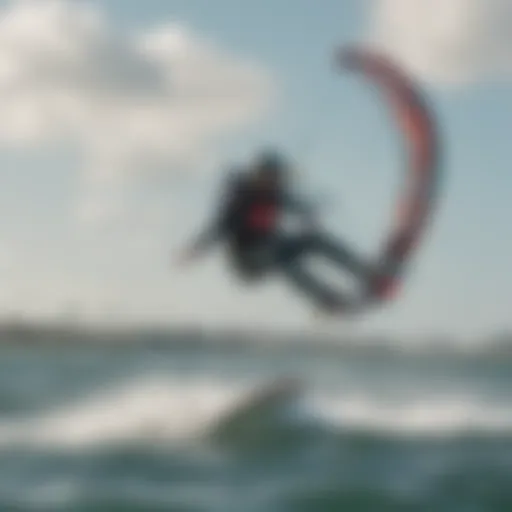
Jumping is one of the most eye-catching maneuvers in wing foiling. When executed correctly, it not only looks impressive but also showcases advanced skill and confidence. To initiate a jump, it’s crucial to generate speed and establish a strong, stable stance. Here are some nuances:
- Speed is Key: The faster you go, the higher your jump will be. However, starting with a moderate speed allows you to focus on balance while becoming airborne.
- Chop vs. Flat Water: Practicing jumps on flat water can make it easier to learn proper lift techniques. Starting with smaller, less aggressive jumps can build confidence.
- Timing: Timing your jump and the wing's lift correctly is paramount to avoid awkward landings, which can lead to accidents.
To truly master the art of jumping, adapting your technique to different conditions will be essential. Each trick can fall into either category of aerial or surface tricks, and your choice will depend on the conditions and equipment available.
Riding Swells and Waves
Navigating swells and waves is another impressive aspect of wing foiling, offering a unique connection to the ocean. Unlike flatwater riding, this type calls for a different skill set and timing. Here's a look at the various factors that enhance your experience:
- Read the Water: Pay attention to the rhythm of the waves. Timing your turns and movements will decide whether you're riding frustrating choppy waters or slicing through graceful waves.
- Adjusting Your Stance: When riding waves, you'll need a more dynamic stance to adapt to the terrain. Keeping your knees bent will allow for quicker adjustments.
- Utilizing Speed: Catching a wave requires a good understanding of the swell's energy. Transitioning quickly on the foil allows you to lift out of the water, greatly enhancing your ride.
Getting comfortable riding swells opens up opportunities for greater exploration and enjoyment, making every session feel fresh and new.
Transitioning Between Styles
The ability to seamlessly switch between styles is what will set you apart on the water. Whether you're coming from a wakeboarding background or simply want to experiment for fun, understanding the nuances will make your transitions smoother.

- Technique Variability: Each style may demand a different grip or wing angle. Pay attention to how shifts in body position can affect your balance and control.
- Mindset Matters: Sometimes it's a psychological barrier to overcome – think of each style as a different facet of wing foiling rather than drastically separate disciplines.
- Practice, Practice, Practice: The key to successful transitions is consistent practice. Taking the time to explore new styles is rewarding and often leads to unexpected tricks and improvements.
By focusing on these advanced maneuvers, you open the door to not only enhancing your enjoyment of wing foiling but also becoming a standout rider in your local community. Connect with other riders through forums like Reddit or local kiteboarding clubs to share experiences and tips.
"The ocean is a company of waves, and mastering them can turn a good ride into a great one."
In summary, integrating advanced maneuvers into your repertoire isn't just about impressing others; it’s about expanding your technical skills and boosting your confidence on the water.
Safety Considerations
When it comes to wing foiling, safety isn't just a suggestion; it's a necessity. Understanding the risks involved and being prepared can mean the difference between a carefree session on the water and a potentially dangerous situation. By incorporating solid safety practices, one can not only protect themselves but also enjoy the exhilarating experience that this sport has to offer.
Understanding Wind Conditions
Wind conditions play a pivotal role in wing foiling. Having a grasp of how wind affects the water surface and your ability to maneuver is essential.
- Wind Speed: Too much wind can make controlling the wing challenging, particularly for novices. Ideal wind speeds for beginners typically hover around 10 to 20 knots. Anything higher can lead to loss of control.
- Wind Direction: Knowing how to read wind direction is crucial. Onshore winds can push you back to shore safely, while offshore winds can blow you away from the land, creating a potentially hazardous situation. Always check local weather forecasts and talk to experienced riders in the area about prevailing wind conditions.
- Gusts and Lulls: Wind is seldom uniform. Be on the lookout for sudden gusts that can catch you off guard. Understanding the patterns of the wind will help you anticipate changes and adjust accordingly, making for a more enjoyable and safe experience.
Navigating Coastal Geography
Each location has its own set of geographical features, and understanding these nuances is crucial for safety. Coastal geography can dramatically impact conditions.
- Breaking Waves: These can indicate shallow waters or hazards underneath. Knowing how to read these signs will help you navigate effectively.
- Obstacles: Pay attention to buoys, rocks, or even other water sports enthusiasts. Keep your distance to avoid collisions. A good practice is to maintain an awareness of your surroundings constantly.
- Changing Tides: Tidal changes can either expose or submerge hazards. Look up local tide charts and plan your riding sessions to avoid dangerous shallows or strong currents that may occur as the tide goes out.
"It’s crucial to respect the natural elements; misjudgment can lead to dire consequences." - Local Wing Foiler
Emergency Procedures
Having a solid plan for emergencies is vital. No one wants to face a crisis, but being ready can save lives.
- Know Your Escape Routes: Whether it’s towards the shore or to a nearby boat, always have an escape route in mind. This allows you to react calmly in case of an emergency.
- Equipment Check: Regularly inspect your gear for faults. Damaged wings or faulty boards can lead to accidents. Make a habit of conducting a pre-ride gear check.
- Communication Tools: Carry a whistle, signal mirror, or a fully charged cell phone in a waterproof bag. In case you need to call for help, having reliable communication lines will be your lifeline.
- Buddy System: It’s best to go wing foiling with a partner. This way, if something goes wrong, help is nearby rather than being isolated on the water.
Make no mistake, wing foiling offers an enviable thrill, but safety should never take a back seat. Prioritizing safety considerations not only protects you but ensures a good time for everyone out on the water. Always be vigilant and prepare for the unexpected.
Environmental Factors Affecting Wing Foiling
Understanding the environmental factors is crucial for any wing foiler. It plays a significant role in determining not just the quality of ride, but also the safety and overall experience. Factors such as weather patterns, water conditions, and tidal movements can significantly influence how one approaches this sport. For those gearing up to take on the waves, a solid grasp of these elements can make the difference between a smooth session and a perilous outing.
Impact of Weather Patterns
The weather basically sets the stage for wing foiling. Wind speed and direction are the main players here. Ideally, you want steady winds between 12 to 25 knots; anything less might leave you floundering like a fish out of water, while winds stronger than that can turn your fun into a crash course in survival.
It's not just about wind, though. Cloud cover and temperature can change how the wind behaves. For example, a sunny day often brings thermals that can create unpredictable gusts. Likewise, storms brewing nearby can whip up winds that make even seasoned foilers think twice. Moreover, looking out for rain, especially thunderstorms, is vital, as they can pose not just navigation challenges but also safety risks such as lightning.
- Tip: Use apps like Windy or iWindSurf to stay updated on wind conditions. They provide real-time data that can help you choose the best times to hit the water.
Tides and Currents: What to Watch For
Tides play a massive role in wing foiling, particularly in coastal areas where tidal variations can create different water conditions. An outgoing tide can often lead to faster currents, making it harder to control your board as you battle against the flow. Conversely, an incoming tide might enhance conditions, filling in flat areas with water that can make for smoother rides.
- What to consider:
- Timing: Understand the tidal schedule of your chosen spot. Seek out local tide charts, which can drastically improve your riding experience.
- Currents: Strong currents can pose serious dangers. It's often advised to venture out during slack tide — the brief periods when the water movement is minimal, as this allows for easier control.
Current flow can also affect the positioning of wind. A northward current might make the wind feel lighter than it actually is, influencing your setup and wing choice. Watch for obstacles like jetties or piers that can create turbulence in the water; be wary of shifting conditions, especially as the tide moves.
"An adept wing foiler not only rides the wind but also dances with the tide, leveraging every nuance of nature to enhance their ride."
To make the most of both weather patterns and tidal movements, it's prudent to study the local geography, as certain formations can create wind tunnels or dead spots. Use community resources, such as the Kite Forum or local Facebook groups, to glean insights from experienced riders who know those waters like the back of their hand.
By paying close attention to these environmental factors and understanding their implications, wing foilers can optimize their outings, ensuring not only a thrilling experience but also one rooted in safety and adaptability.
Selecting Ideal Locations for Wing Foiling
When it comes to wing foiling, the saying "location, location, location" holds more weight than you'd expect. The right spot can make or break your experience, especially for those getting their feet wet in this exhilarating sport. Different locations bring their own challenges and advantages, influencing everything from wind conditions to safety. Knowing how to choose the right setting can drastically enhance your enjoyment and proficiency in wing foiling.
Popular Wing Foiling Destinations
There’s a world brimming with stunning spots tailored for wing foiling enthusiasts. Here are a few destinations that catch the eye:
- Maui, Hawaii: Known for its consistent winds and beautiful waters, Maui is often revered as a mecca for water sports. The combination of strong trade winds and scenic backdrops creates an ideal environment for both novices and seasoned riders.
- Lake Garda, Italy: This location offers a unique charm with its stunning mountainous scenery and reliable thermal winds, making it perfect for those who want a bit of culture alongside their sport. The sheltered waters are inviting for learners yet provide areas for intermediate skills.
- Tarifa, Spain: Straddling Europe and Africa, Tarifa delivers a blend of warm weather and steady winds, which creates an ideal atmosphere for riders year-round. The diverse water conditions also attract a community of both novices and experts who thrive on the area’s vibrancy.
- Cape Town, South Africa: With its dramatic landscape and strong winds, Cape Town has earned its stripes in the international wing foiling community. The local spots range from sheltered bays perfect for beginners to challenging waves for advanced users.
- Cairns, Australia: Offering the warmth of the Australian sun and great wind conditions, Cairns is a hidden gem. It’s not just a beautiful place; the lagoons are perfect for practicing techniques without dangerous seafaring elements.
These destinations have varying degrees of accessibility, costs, and communal support, so it’s essential to consider what aligns with your interests and skill level.
Local Regulations and Expectations
Understanding the local laws and cultural expectations cannot be overlooked. Every region has its own regulations related to water activity, which can include restrictions on public use, specific gear requirements, and safety instructions. Being aware of these guidelines shows respect for the local community and can prevent potential fines.


- Permits and Fees: In certain high-traffic areas, you might need a permit to wing foil. Check the local regulations to know if you need to pay fees or register your activity. Some areas might provide necessary permits online, while others may require you to visit to obtain one.
- Safety Regulations: Safety is paramount. Make sure to familiarize yourself with any necessities such as wearing a life jacket, having a personal flotation device, or using specific signaling devices for emergencies.
- Local Etiquette: Each location has its culture, and adhering to local etiquette is essential. This means respecting other water users, not crowding popular spots, and being mindful of the flora and fauna in the area. Observing established norms fosters a welcoming environment for everyone involved.
Learning Resources and Community
Finding the right resources and connecting with a community can dramatically affect your growth in wing foiling. Imagine trying to navigate the sport without any guidance; it’s like sailing without a map. Having access to quality instruction and the right community support can propel your skills forward, making the journey not just easier but also more enjoyable.
Finding Instruction and Courses
There are many avenues to seek instruction and courses in wing foiling. Local watersports shops often offer lessons, providing hands-on experience with instructors who know the local conditions. Online platforms have also stepped up their game, offering a range of videos and virtual classes tailored for all skill levels.
Look for instructors who emphasize not just the technical aspects but the philosophy behind wing foiling. These mentors can instill confidence in beginners while refining the skills of advanced riders. You might even find specialized courses focusing on agility, jumps, or specific maneuvers to hone in on a particular skill set.
When searching for courses, consider:
- Course duration: Short courses are useful for beginners, while longer workshops can cater to more experienced riders.
- Group vs. individual lessons: Group classes can foster a fun, supportive environment, while private lessons offer personalized attention.
- Certification: Some instructors are affiliated with recognized organizations—this might lend credibility to your learning experience.
Seek out reviews or ask fellow riders about their experiences to ensure you’re enrolling in a program that offers real value.
Joining Wing Foiling Communities
Connecting with a wing foiling community can be a game-changer. These communities can serve as a wellspring of information, support, and friendship. They provide a platform where you can share experiences, ask questions, and learn from others' successes and challenges.
You can find communities both online and offline. Social media platforms like Facebook and Reddit have dedicated groups where members post tips, advice, or even organize meet-ups to ride together. Here, you’ll often come across seasoned riders eager to share their knowledge.
Benefits of Joining These Communities:
- Networking: Build connections that can lead to new riding partners and friends.
- Learning from Others: Everybody has unique tips or techniques they've tried; it’s a goldmine of information that can shorten your learning curve.
- Support: When you encounter difficulties, it's reassuring to know others have stood in your shoes.
"The best part of wing foiling? It’s not just the wind in your face; it’s the camaraderie with fellow riders that makes every session memorable."
Whether you’re just starting out or looking to perfect advanced tricks, tapping into the right resources and joining a wing foiling community can elevate your experience from merely okay to extraordinary. These connections can even inspire you to travel to different spots or participate in competitions, expanding your horizons.
Ultimately, the journey of wing foiling doesn't have to be a lonely one. Embracing learning resources and community can transform obstacles into opportunities, making this thrilling sport even more rewarding.
Common Challenges in Wing Foiling
Wing foiling is a rewarding sport, but it doesn’t come without its share of challenges. Recognizing and addressing these hurdles is crucial for anyone looking to enjoy their time on the water while improving their skills. This section dives into common issues that both novices and experienced riders might face, offering insights and solutions to navigate these problems effectively.
Overcoming Initial Learning Curves
When starting with wing foiling, the learning curve can feel as steep as a mountain. For many, the first few outings may seem like a tug-of-war with balance and control. Early struggles often revolve around coordinating the wing and board and maintaining stability on the water. To tackle these challenges, consider the following:
- Practice on Stable Waters: Choose locations with minimal chop and currents to hone your skills.
- Focus on Fundamentals: Before trying tricks or advanced maneuvers, take the time to master basic steering and balance.
- Utilize Smaller Equipment: Start with lighter gear. A smaller wing can make it easier to manage control.
- Seek Instruction: Learning from experienced instructors can fast-track your understanding of what works and what doesn’t.
Remember, patience is key. Every pro was once an amateur, so don’t sweat the small stuff.
Dealing with Gear Misalignments
Gear misalignment can turn a smooth session into a frustrating one. The relationship between the wing, foil, and board is delicate, and small changes can generate big consequences. Consider some common adjustments:
- Check Connections: Before each ride, ensure that your wing and foil connections are tightened properly. Loose components could lead to loss of control.
- Adjust Foil Positioning: Experiment with your foil's position on your board. Moving it forward or backward can change how the board performs on the water.
- Watch the Wing Angle: The way you hold your wing matters. Misaligned wing angles can lead to inefficient riding and unnecessary strain.
- Regular Maintenance: Inspect your gear frequently for wear and tear. A little upkeep can prevent bigger issues down the road.
Environmental Hazards to Avoid
Different riding spots carry unique environmental risks that every rider should remain mindful of. Understanding these hazards helps ensure safety while enhancing the overall experience:
- Sharp Objects Underwater: Before launching, survey your zone for rocks or debris that could damage your gear or cause accidents.
- Changing Weather: The wind can flip on a dime. Always check the weather forecast and stay aware of how quickly conditions can shift.
- Wildlife: Be on the lookout for marine life, which can sometimes appear unexpectedly. Collisions can occur, and it’s always wise to respect their space.
- Strong Currents: Familiarize yourself with local tides and currents. These can significantly affect your control and decision-making when you're out on the water.
By being aware of these challenges, wing foilers can better prepare themselves for success, no matter their skill level. Taking time to learn about potential pitfalls aids not only in improving technical skills but also in ensuring a safer and more enjoyable ride.
The Future of Wing Foiling
As the sun rises on the horizon of wing foiling, enthusiasts and newcomers alike ponder what lies ahead for this exciting sport. The future of wing foiling holds a wealth of possibilities that promise to engage the imaginations of riders and spectators. Recognizing advancements in technology and the momentum of community growth opens doors to enhanced experiences and sustainable practices within the sport.
Technological Advancements
The role of technology in shaping the future of wing foiling cannot be understated. Recent developments have led to innovations that significantly improve performance and safety. For instance, manufacturers are introducing lighter materials and improved aerodynamics for wings. These materials not only enhance responsiveness in various wind conditions but also facilitate easier handling for novices.
One cannot overlook the impact of advancements in design software that enable creators to experiment with wing shapes, tailoring them for specific riding styles. This allows riders to find what suits them best, perfectly compatible gear can make the learning curve less daunting, especially for those just stepping into the sport.
Additionally, advancements in electric foiling technology could provide a unique alternative for those who might not be fully equipped to harness the wind's power just yet. These electric devices allow for a powered ride above water, enabling riders to experience the thrills of foiling without the reliance solely on wind.
"Innovation drives excitement in sports, and wing foiling is no exception. The seamless integration of technology will redefine how enthusiasts engage with the sport."
Growth of the Sport
In recent years, wing foiling has surged in popularity, transforming from a niche activity into a mainstream sport, capturing the attention of coastal communities worldwide. This upward trajectory is supported by numerous factors.
More people are becoming aware of the joys of wing foiling, leading to increased attendance at local events and gatherings. Community initiatives play a pivotal role, encouraging riders to share knowledge and experiences, whether it's on forums like reddit.com or through local clubs on facebook.com. Furthermore, social media platforms inundated with breathtaking footage and tutorials serve to amplify this enthusiasm.
The benefit of this growth is multifaceted. Not only does it foster a vibrant community, but it also supports local economies as businesses catering to the sport thrive. As more riders take to the water, service providers, retailers, and tour operators will find new avenues to support and cater to their needs, thus expanding the market for gear and lessons.
The sport also inspires many to seek eco-friendly options, as awareness of environmental issues increasingly affects the way enthusiasts approach their hobbies. This imaginative thinking could lead to innovations in sustainable materials in gear production, aligning the sport with a more conscious approach to nature.